We are open from 9:00 a.m.

Walking the Streets of Your Great-Grandparents: Why Heritage Tourism is More Than Just a Vacation
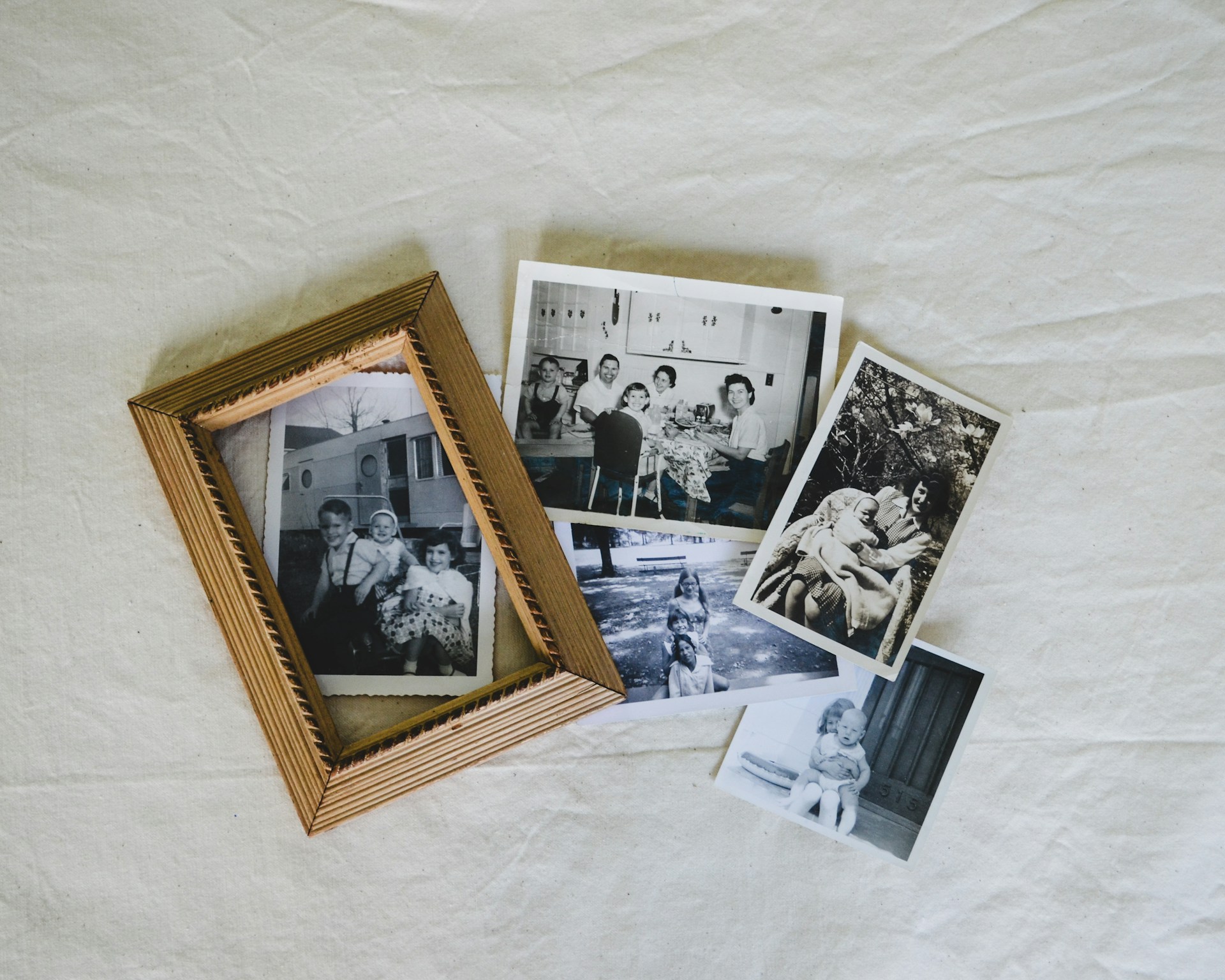
Imagine this scene: you are standing on the outskirts of a small village. The wind gently rustles the leaves of old oak trees, and you are looking at a wooden, time-worn house. In that very moment, the full force of a fact hits you: over a hundred years ago, your great-grandmother sat on this exact same doorstep. This is the road she took on Sundays to the church where your great-great-grandparents were married. How does that feel? Words often fail to describe it.
A deep journey through time
Genealogy trips defy traditional definitions of sightseeing. It is a deeply emotional, almost spiritual experience that becomes a major turning point in life for many people. Standing on the land of our ancestors, we cease to be anonymous tourists with cameras. We become part of the landscape and the history of that place. Suddenly, we realize the powerful continuity of generations. We understand that we didn’t come from nowhere—we are the sum of the hardships, love, brave decisions, and dramatic choices of the people who lived before us.
Clashing expectations with reality
We often grow up listening to idealized family legends about „the old country,” grand estates, or heroic deeds. Visiting the site allows us to verify these romantic tales against reality. Sometimes we discover noble manors, but much more often we are confronted with a difficult history—we find humble peasant cottages, places marked by war, famine, or forced migration. This encounter with the truth teaches immense humility. It allows us to feel genuine gratitude for how far our family has come and how much our ancestors sacrificed so we could live in today’s reality.
Emotional closure and healing
For many people from families with a complex past (e.g., descendants of emigrants, war refugees, or Holocaust survivors), a heritage trip has a therapeutic dimension. It allows them to close unfinished chapters from the past, light a candle on a forgotten grave, and pay tribute to those whom history might otherwise forget. It is a kind of „reclaiming” of one’s own identity.
Summary
Every journey changes a person in some way by broadening their horizons. However, a trip tracing your ancestors changes something much deeper—it changes the way we look at ourselves. It allows us to understand that history is not just distant dates in textbooks. History is our family, our roots; it is us.