Planning a trip to Poland to trace your ancestors’ footsteps comes with one major question: when is the best time to go? Poland has a temperate climate, which means you will experience four distinct seasons. Depending on whether you prefer long walks through sunny villages or don’t mind cooler weather, it’s worth planning your travel dates carefully.
When to aim for sunny weather?
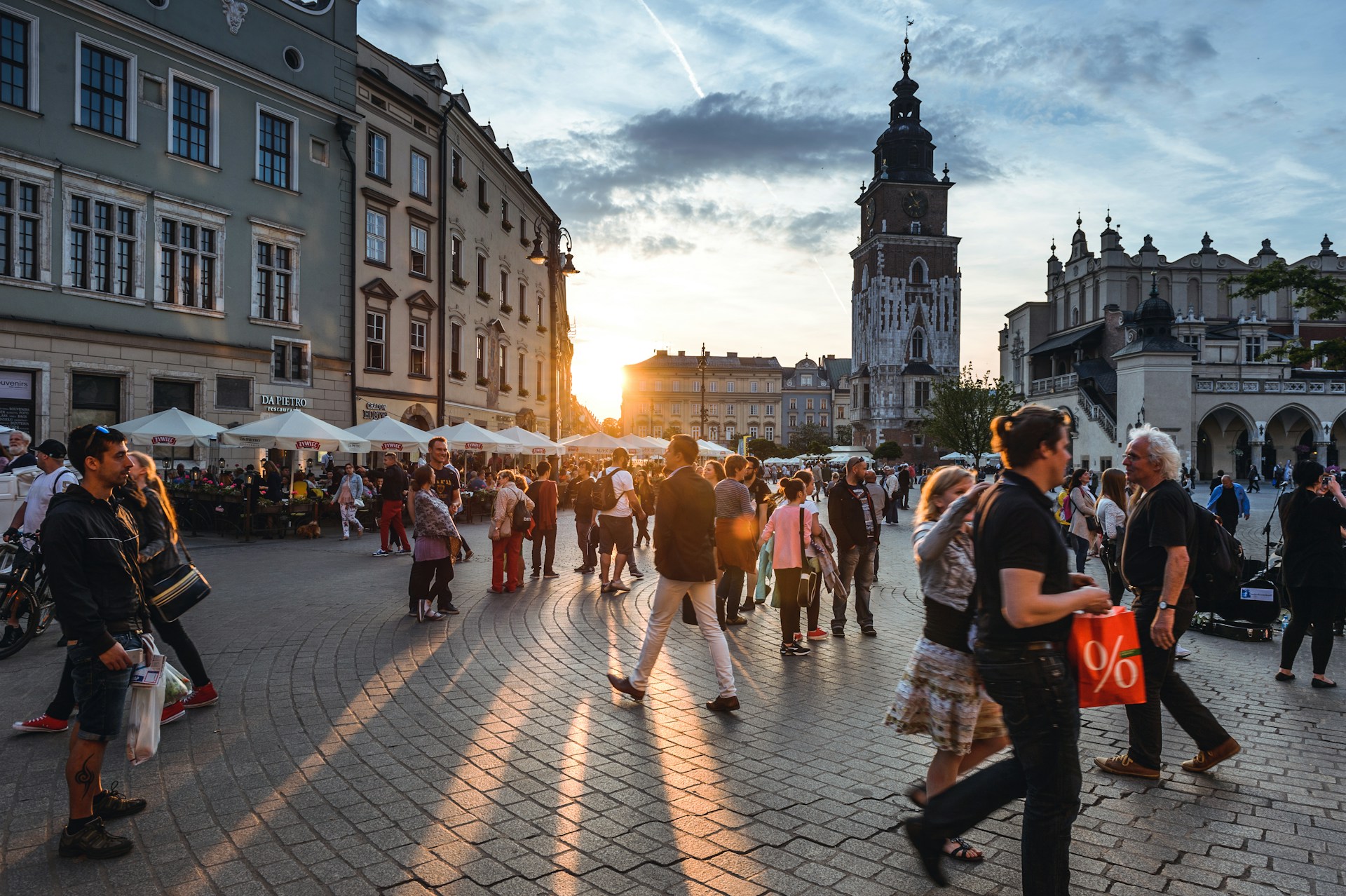
If you want blue skies, warm days, and lush greenery, the best time to visit is from May to September.
- Spring and early summer (May – June): The days get longer, and temperatures are very pleasant, typically hovering around 20°C to 25°C. This is the perfect time for walking through old cemeteries and visiting ancestral villages.
- High summer (July – August): These are the warmest months, with temperatures often exceeding 30°C. However, you should keep in mind that sudden thunderstorms can occur during the summer.
- Golden Polish Autumn (September – October): This is a magical time. The heat subsides, and the trees shimmer in incredible shades of gold and red. It provides a beautiful backdrop for taking memorable photos.
What to do when the weather doesn’t cooperate?
Heritage tourism has one huge advantage: bad weather doesn’t mean a wasted day! Rain is the perfect excuse to move your search indoors and immerse yourself in history.
- Visit skansens and ethnographic museums: Skansens (open-air museums) are reconstructions of historical villages. Even on a cloudy or drizzly day, stepping inside old wooden cottages is an incredible experience. You will see authentic furniture, tools, and clothing from your great-grandparents’ era. Many of them also feature extensive indoor thematic exhibitions.
- Hide away in the archives: A rainy day is the absolute best time to visit civil registry offices, parishes, or local state archives. You can spend long hours analyzing old books and documents without feeling like you are missing out on beautiful weather outside.
- Explore history in modern museums: Poland offers world-class historical museums (such as the POLIN Museum of the History of Polish Jews in Warsaw, the Emigration Museum in Gdynia, or countless regional museums) that will help you understand the broader social and historical context of your ancestors’ lives.
Summary
No matter when you decide to visit, Poland has a lot to offer. Use the sunny days for outdoor field exploration, and save the rainy ones for deepening your knowledge in archives and fascinating museums.