We are open from 9:00 a.m.



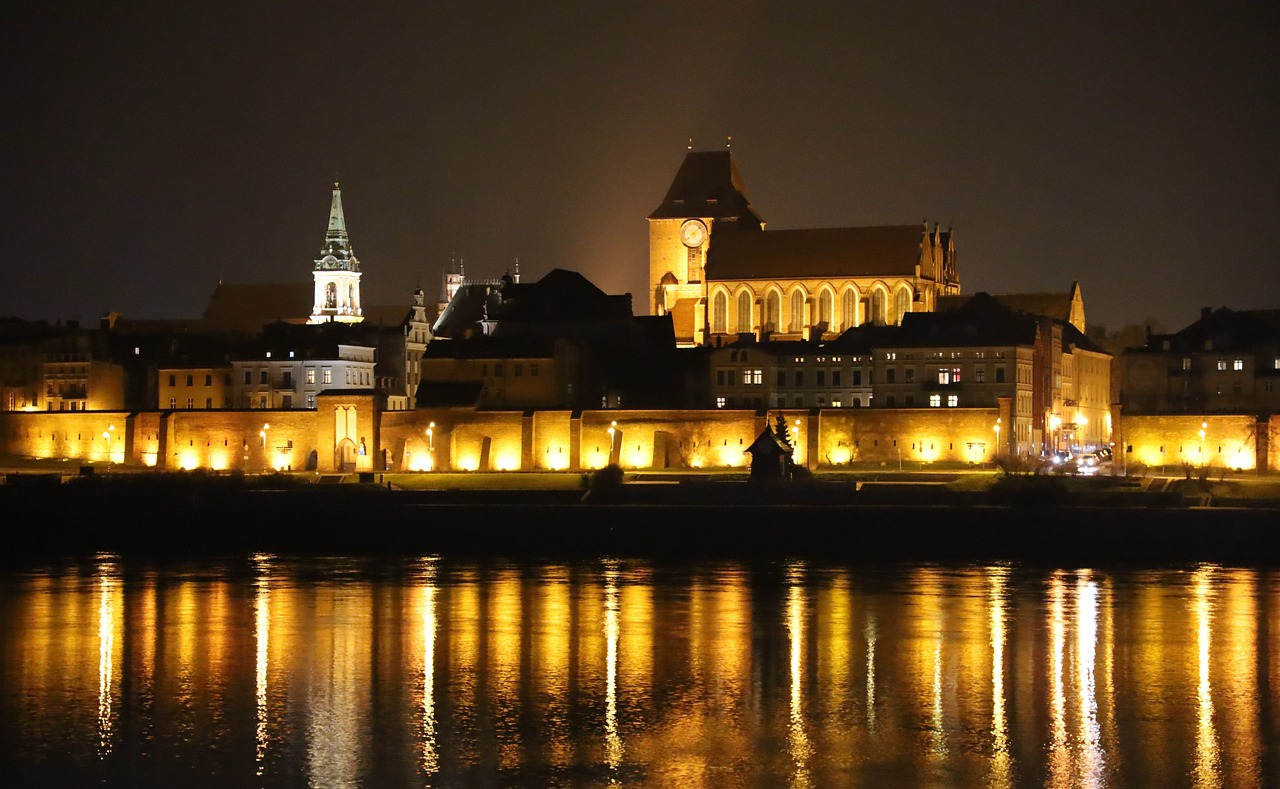
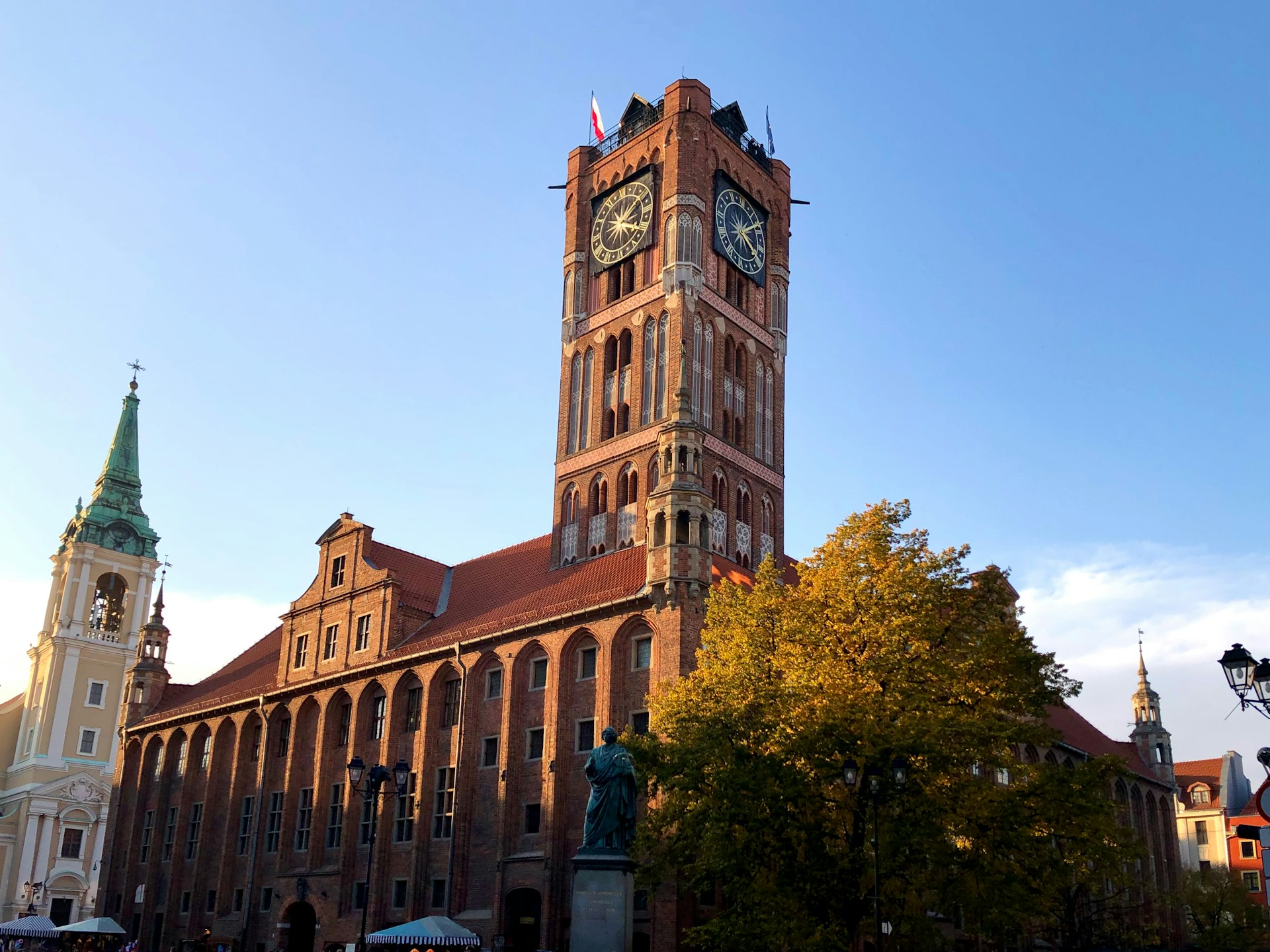
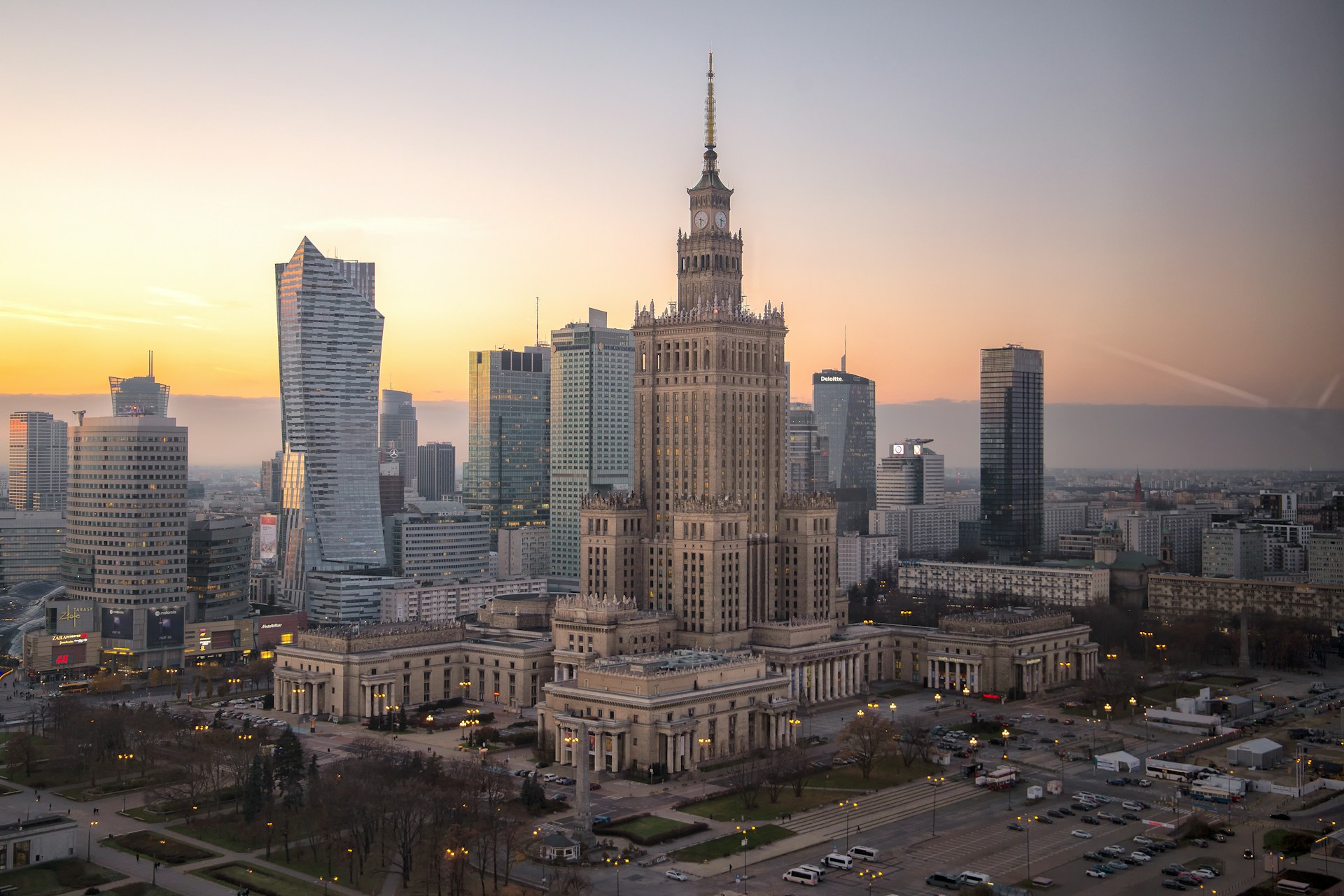
This thoughtfully designed journey explores northern Poland through the events and places that shaped the country’s past. From royal capitals and medieval strongholds to Baltic port cities and the peaceful Masurian Lake District, the itinerary blends history, culture, and nature. Traveling at a comfortable pace in a small group allows time to understand the stories behind each place while enjoying scenic landscapes, historic towns, and meaningful encounters along the way.

Arrive in Warsaw and settle into your centrally located hotel. After time to refresh, enjoy a relaxed walk through the beautifully rebuilt Old Town, a UNESCO World Heritage Site. Stroll along elegant Krakowskie Przedmieście, see the Presidential Palace, visit the Tomb of the Unknown Soldier, and unwind in the peaceful Saxon Park. In the evening, gather for a traditional Polish welcome dinner to begin the journey.

Continue exploring Warsaw, beginning with the Royal Castle, a symbol of Poland’s royal past dating back to the Middle Ages. Enjoy lunch at a favorite local pierogi restaurant, followed by a visit to the Chopin Museum. Later, relax in Warsaw’s largest park, created by Poland’s last king, filled with gardens, palaces, and elegant architectural details.
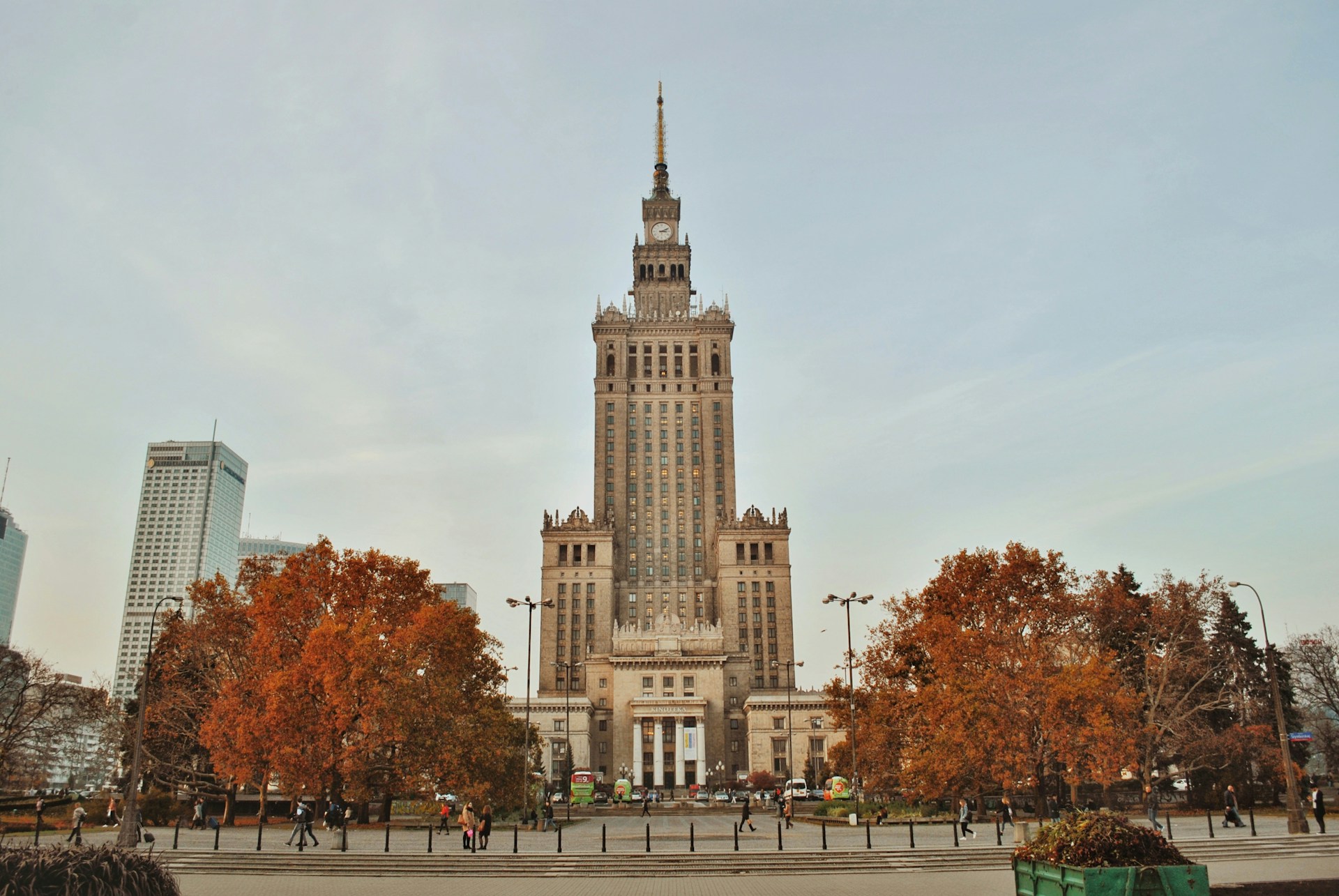
Visit the powerful Warsaw Uprising Museum, honoring those who fought for Poland’s freedom in 1944. Driving through today’s modern business district, once part of the wartime ghetto, gradually leave the capital behind. Stop for lunch in Łódź, a city shaped by rapid 19th-century industrial growth. In the afternoon, continue north to Toruń for an overnight stay.
Spend the day discovering Toruń, birthplace of Nicolaus Copernicus and one of Poland’s best-preserved medieval towns. Its Gothic Old Town, a UNESCO World Heritage Site, features historic streets, merchant houses, and Copernicus’ former home. Walk through charming squares, admire 15th-century architecture, and enjoy tasting Toruń’s famous gingerbread, a local specialty for centuries.
Travel to Malbork to visit the monumental castle of the Teutonic Knights, the largest castle in the world by land area and a masterpiece of Gothic brick architecture. After lunch inside the castle complex, continue north to Gdańsk. Arrive in the late afternoon and enjoy a leisurely evening walk through the beautifully restored Main City along the Baltic coast.
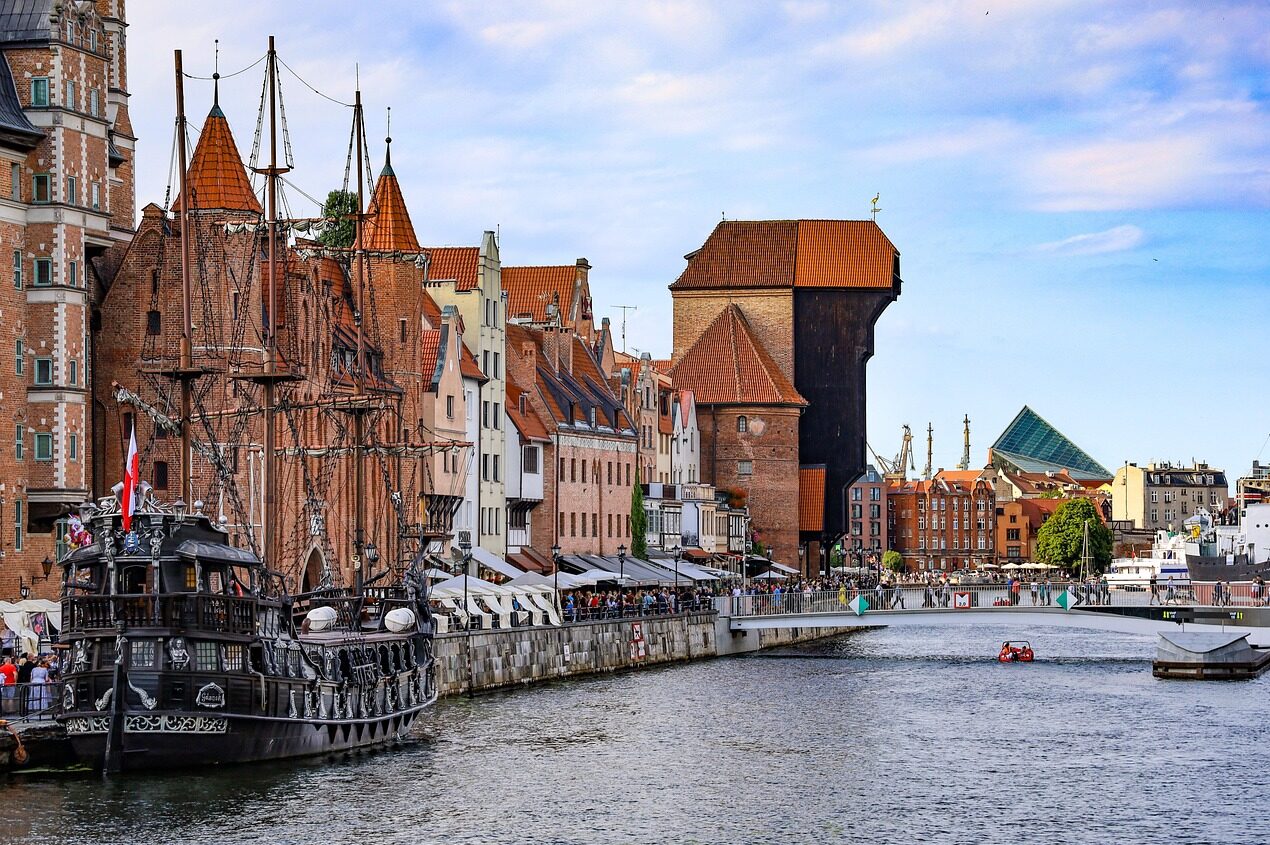
Discover Gdańsk, one of Poland’s most fascinating cities by the sea. Once heavily damaged during World War II, it has been carefully rebuilt and is now vibrant and colorful. Walk along Long Street, also known as the Royal Way, and admire landmarks such as Neptune’s Fountain, Artus Court, and the Golden Gate, reflecting the city’s maritime power and prosperity.
Travel to the Westerplatte Peninsula, where World War II began in 1939. Walk among the remains of guardhouses and view the Monument to the Coast Defenders. On the return to Gdańsk, visit the European Solidarity Centre, an interactive museum telling the story of the Solidarity movement and its role in the fall of communism in Europe.
Visit the Emigration Museum in Gdynia, telling the stories of millions who left Poland in search of freedom and opportunity abroad. In the afternoon, enjoy time in the seaside resort of Sopot. Take an easy walk along Europe’s longest wooden pier before returning to Gdańsk for a relaxed evening by the sea.

Travel toward the Masurian Lake District, stopping in Olsztyn for a short walk and lunch. Continue to the Wolf’s Lair, Adolf Hitler’s former military headquarters and the site of the failed 1944 assassination attempt. In the evening, arrive in Giżycko and check into a modern spa resort beautifully located on Lake Niegocin, ideal for rest and relaxation.

Continue exploring Masuria with visits to Suwałki, Wigry National Park, and an open-air museum showcasing regional wooden architecture. After lunch in a traditional local inn, travel to Augustów. Check into a hotel by the canal and enjoy a scenic boat cruise at sunset through the tranquil Rospuda Valley, surrounded by unspoiled nature.

Before returning to Warsaw, visit Białystok, one of Poland’s greenest cities and birthplace of Ludwik Zamenhof, creator of Esperanto. Explore the Old Town and the impressive Branicki Palace, often called the “Polish Versailles.” In the afternoon, return to Warsaw for a farewell dinner and your final overnight stay.
Enjoy a relaxed final day in Poland. Take time for packing, last-minute shopping, or a quiet coffee while reflecting on the journey. Airport transfer is included. If you wish to extend your stay or customize additional destinations, assistance is available upon request.
Yes — Poland is considered one of the safest countries in Europe for visitors. Cities are clean, well organized, and easy to navigate, with modern infrastructure and a strong sense of public safety. According to the U.S. Department of State Travel Advisory system, Poland is classified as Level 1: Exercise Normal Precautions, the lowest advisory level.
Official source: click here
The most popular time to travel to Poland is from May through September, when the weather is mild and daylight hours are long. Spring and early autumn are especially comfortable for cultural touring and heritage visits. Summer offers lively city squares and festivals, while winter can be ideal for shorter, city-focused cultural experiences.
Yes. We regularly assist clients with planning their travel to Poland, including flight recommendations and coordination of arrival logistics. If preferred, we can also arrange flights directly on your behalf. Direct flights from the United States to Poland are available via LOT Polish Airlines, with convenient connections to major American cities. Our goal is seamless travel from departure to arrival.
Our tours are designed for mature, culturally curious travelers. Most days include moderate walking at a comfortable pace, with regular breaks and private transportation between locations. We avoid rushed schedules and prioritize comfort. If mobility considerations exist, we discuss them in advance and adjust the itinerary accordingly.
We specialize in both private tours and small, carefully curated group journeys. Many of our guests prefer smaller groups for a more personal atmosphere and deeper cultural engagement. Private tours allow full customization, while small groups provide shared experiences without the scale of large coach tours.