We are open from 9:00 a.m.

This meaningful journey traces the rich history of Jewish life in Poland — from centers of learning and vibrant communities to places of loss, memory, and reflection. Traveling at a thoughtful pace, the itinerary allows time to understand history in depth while honoring personal stories and shared heritage. Expert guidance, small groups, and carefully chosen sites create space for learning, remembrance, and quiet connection throughout the journey.
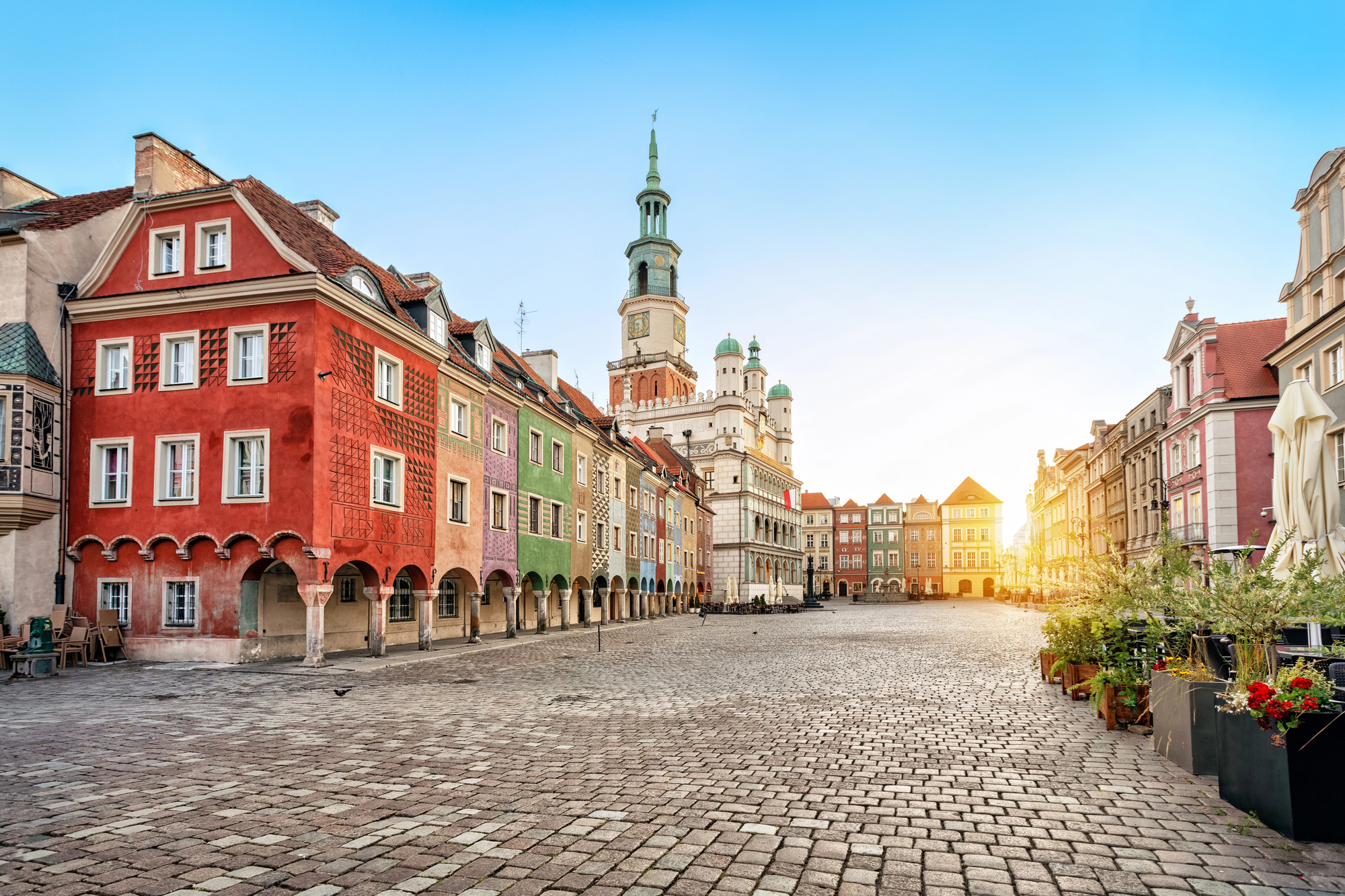
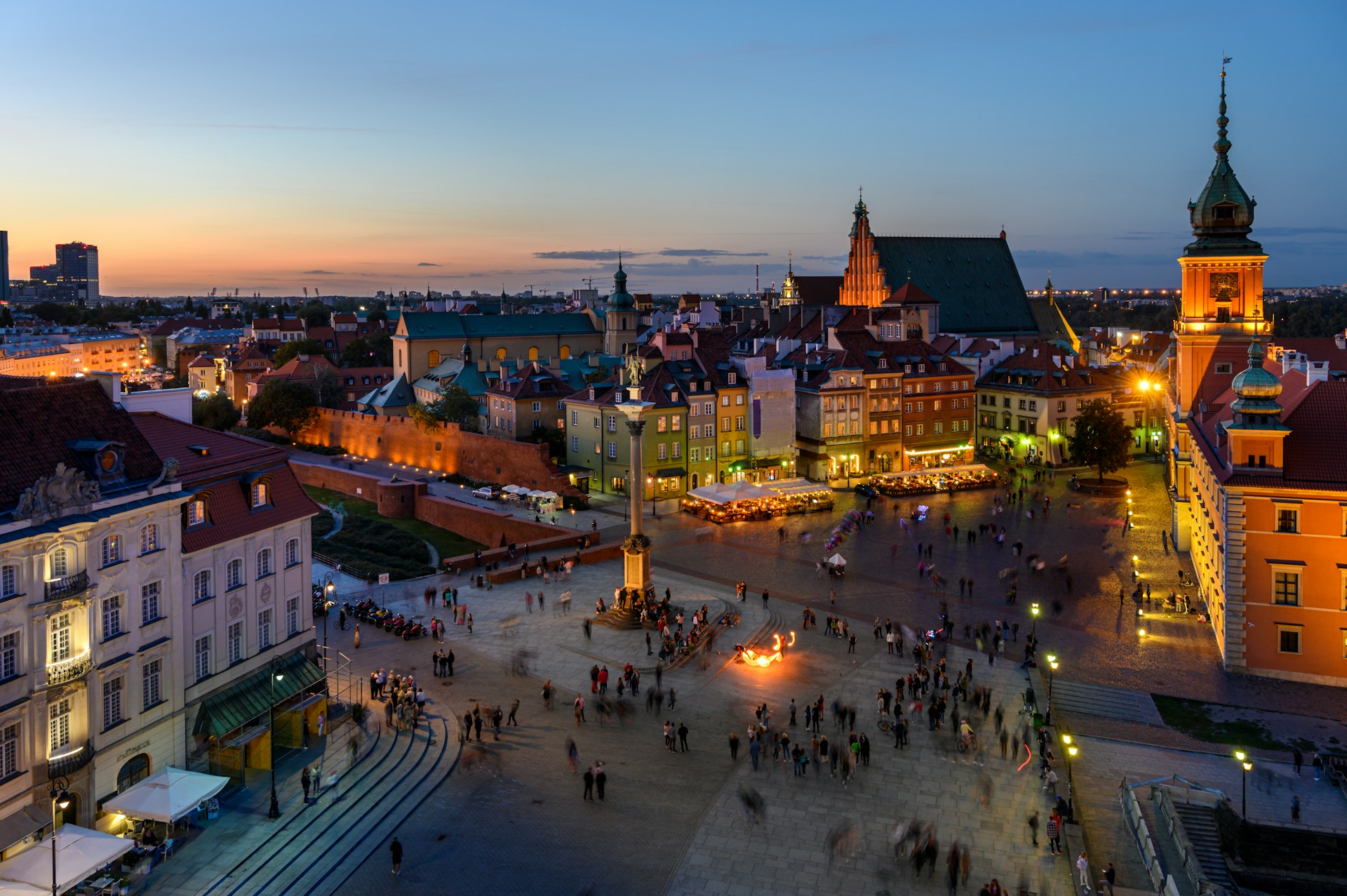
Arrive in Warsaw, where your guide welcomes you at the airport and accompanies you to your centrally located hotel. After settling in, enjoy a gentle introductory walk through the Old Town, nearly destroyed during World War II and carefully rebuilt. Walk along Krakowskie Przedmieście, pause at the Tomb of the Unknown Soldier, and reflect in Saxon Park as the story of resilience and survival begins to unfold.
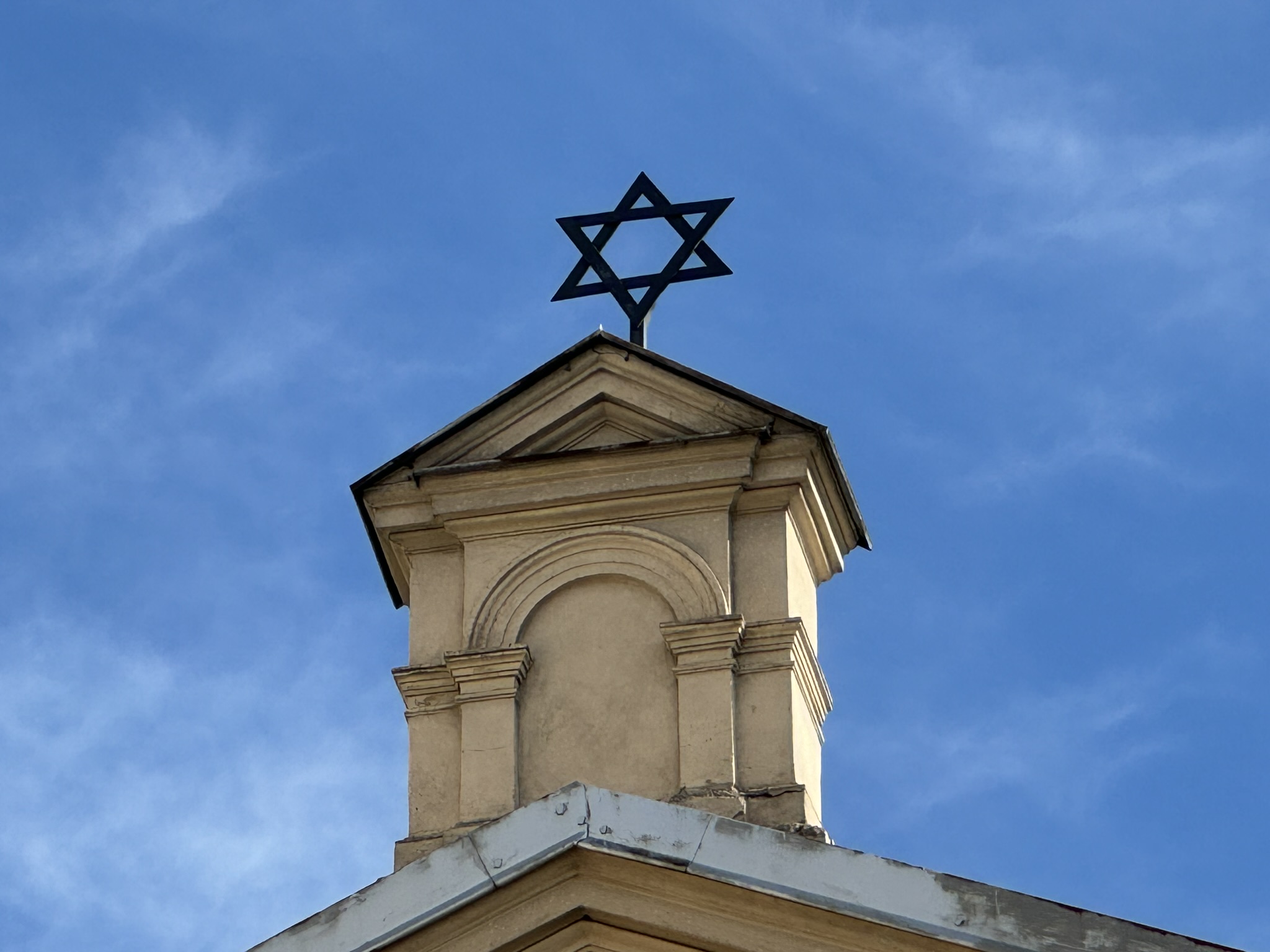
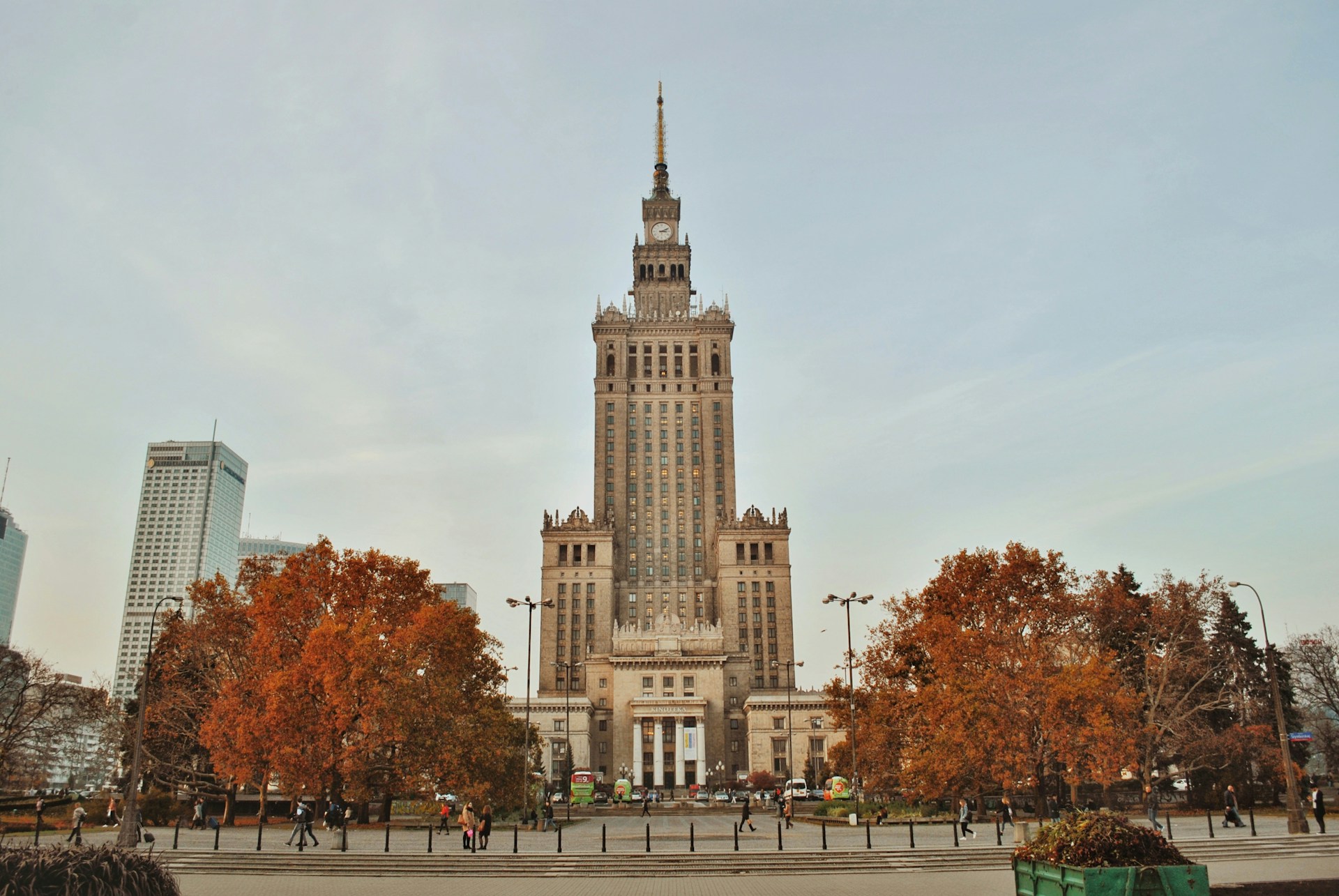
Today is devoted to Warsaw’s Jewish history, spanning more than a thousand years. Visit the POLIN Museum of the History of Polish Jews, where culture, tradition, and everyday life are vividly presented. Continue through the former ghetto area, learning about daily life, courage, and loss. The day concludes at Nożyk Synagogue, the only prewar synagogue still standing, a quiet witness to survival.
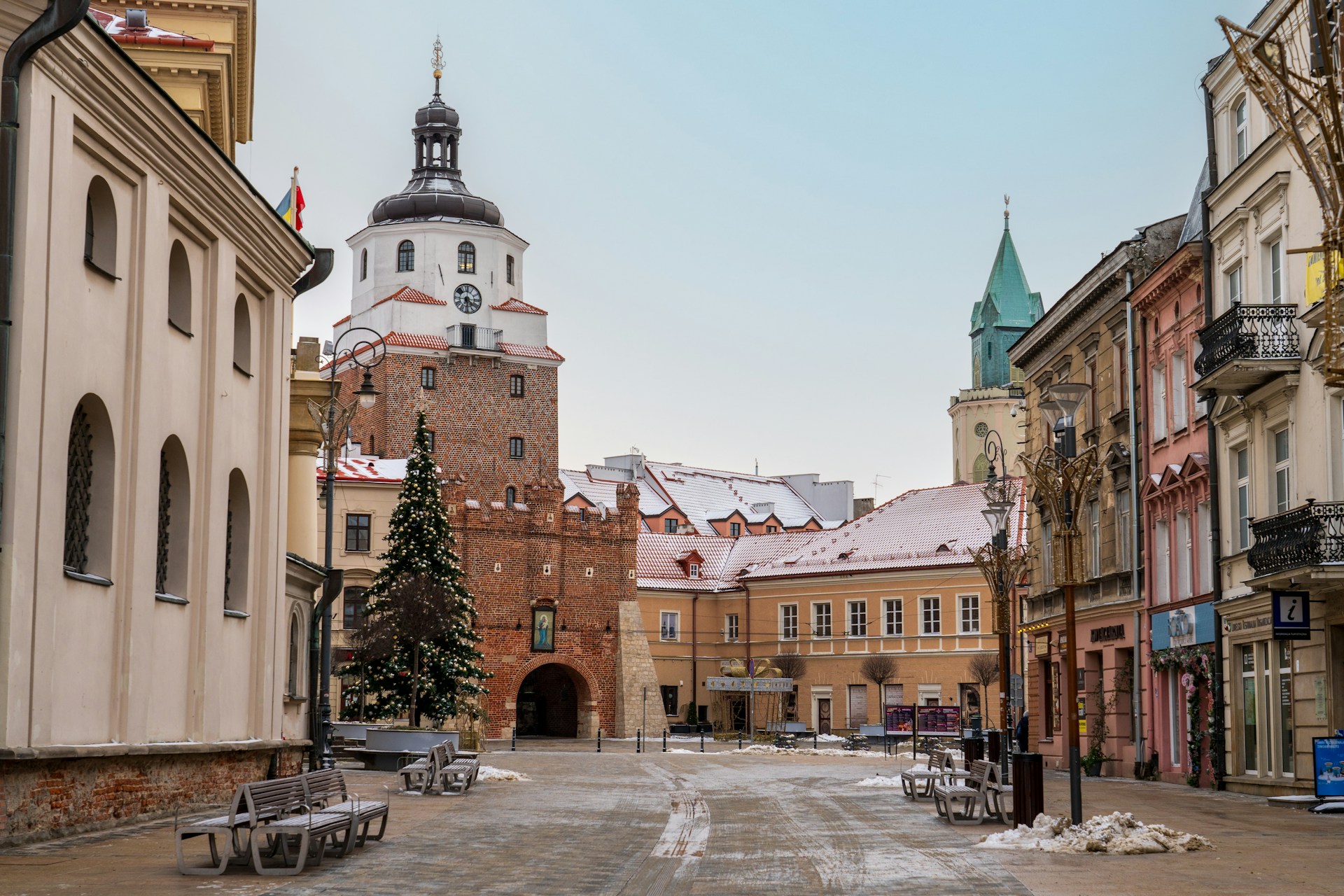
Leave Warsaw and travel south toward Lublin, stopping in Kazimierz Dolny, a picturesque town on the Vistula River once known as an “ideal shtetl.” Walking its streets offers a rare sense of how Jewish towns once felt. Continue to Lublin and spend the evening in the atmospheric Old Town, surrounded by layers of history shaped by many cultures.
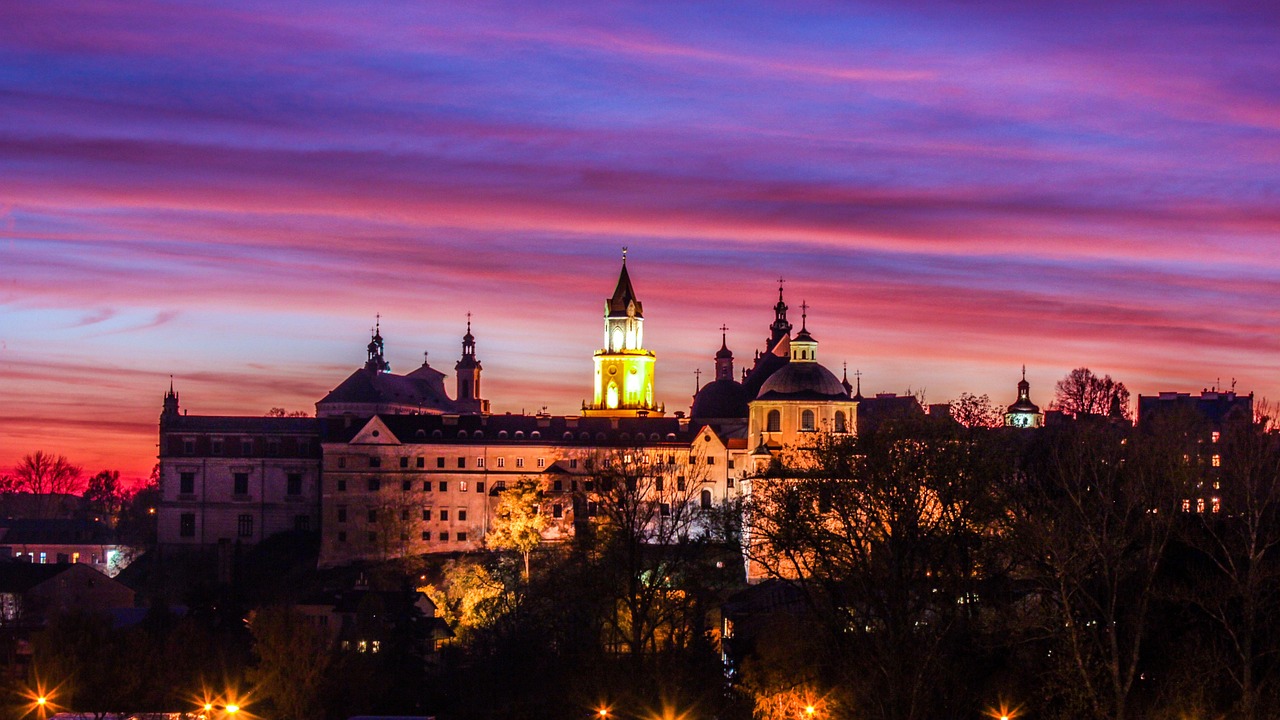
Spend the day in Lublin, once called the “Jewish Jerusalem of Poland.” Discover its importance as a center of Jewish learning and Hasidic thought, including a visit to the historic Chachmei Lublin Yeshiva. In the afternoon, visit Majdanek, the former German concentration and extermination camp located just outside the city, a deeply moving place inviting reflection and remembrance.
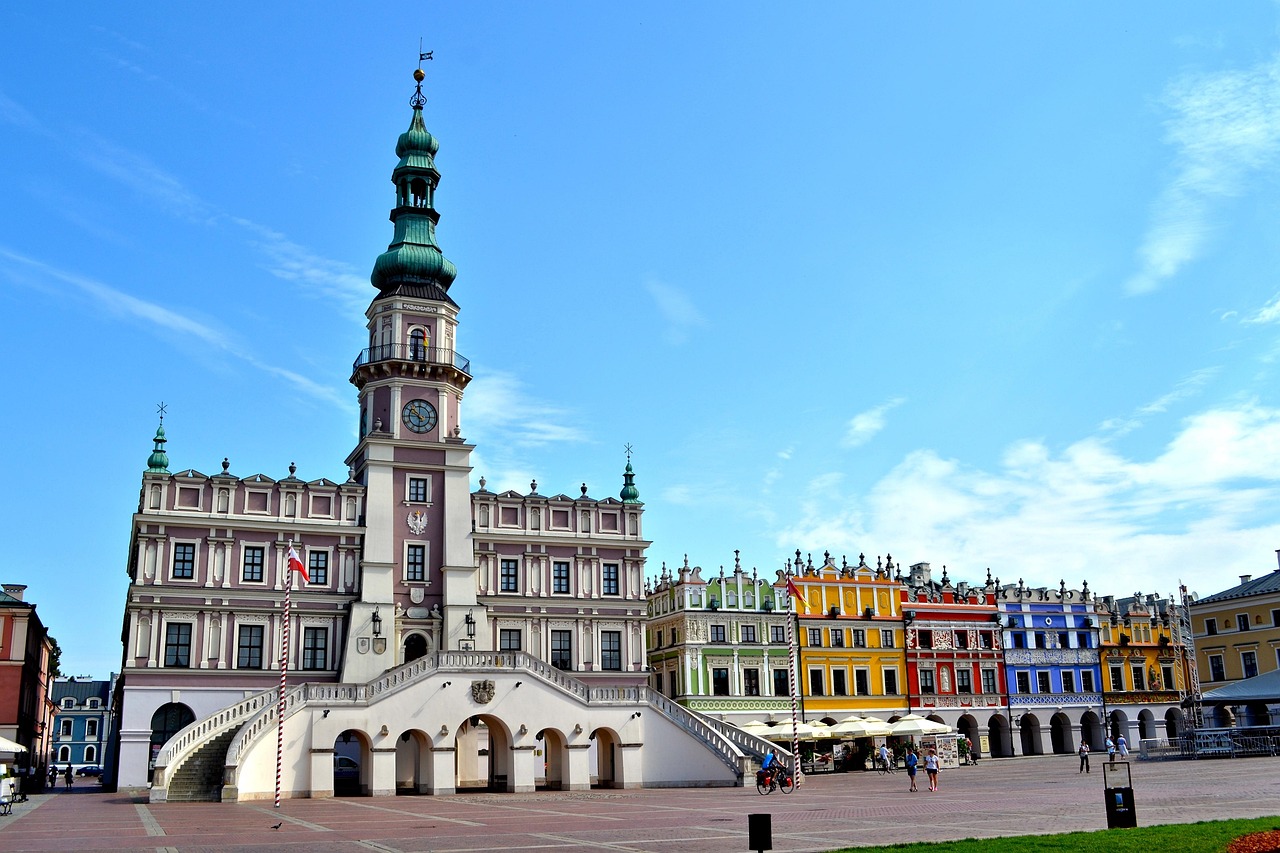
Travel south through eastern Poland to Zamość, an elegant Renaissance city with a rich multicultural past. Along the way, stop in Szczebrzeszyn to see its historic synagogue, and in Biłgoraj to visit a rare reconstruction of a wooden synagogue. Enter the historic region of Galicia before arriving in Łańcut for a quiet evening.
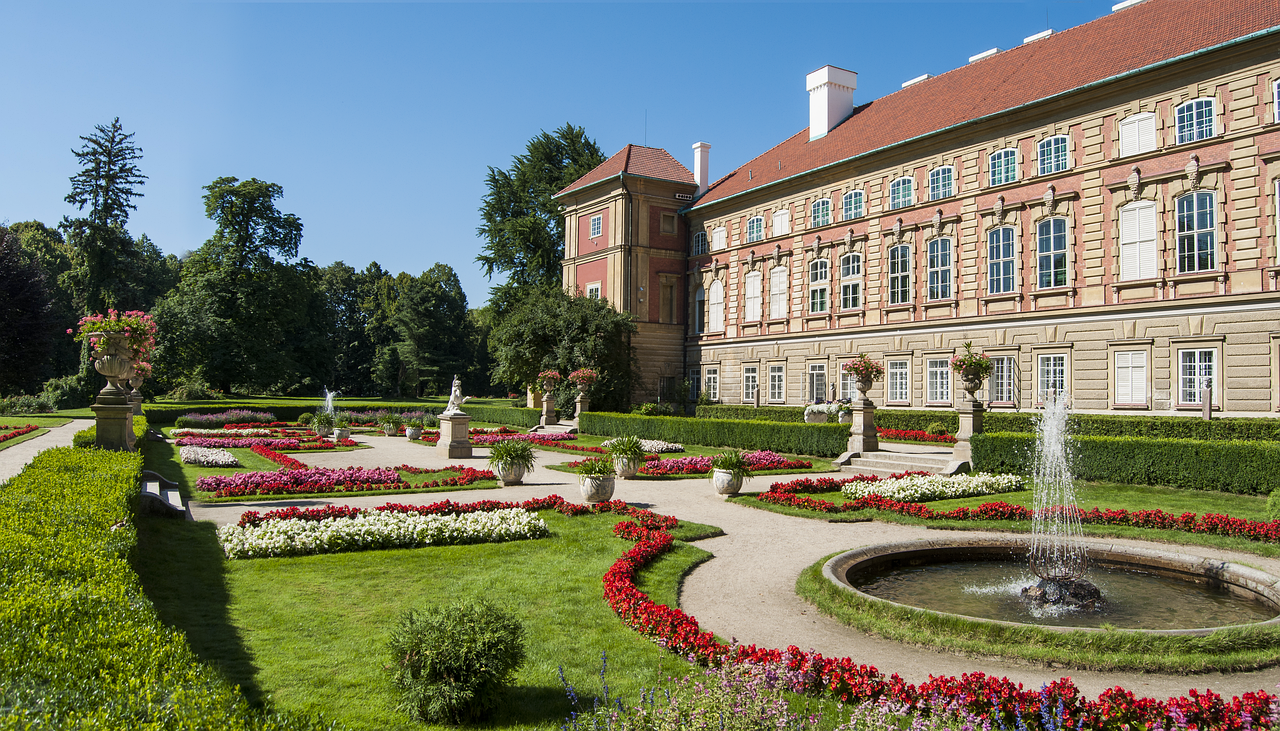
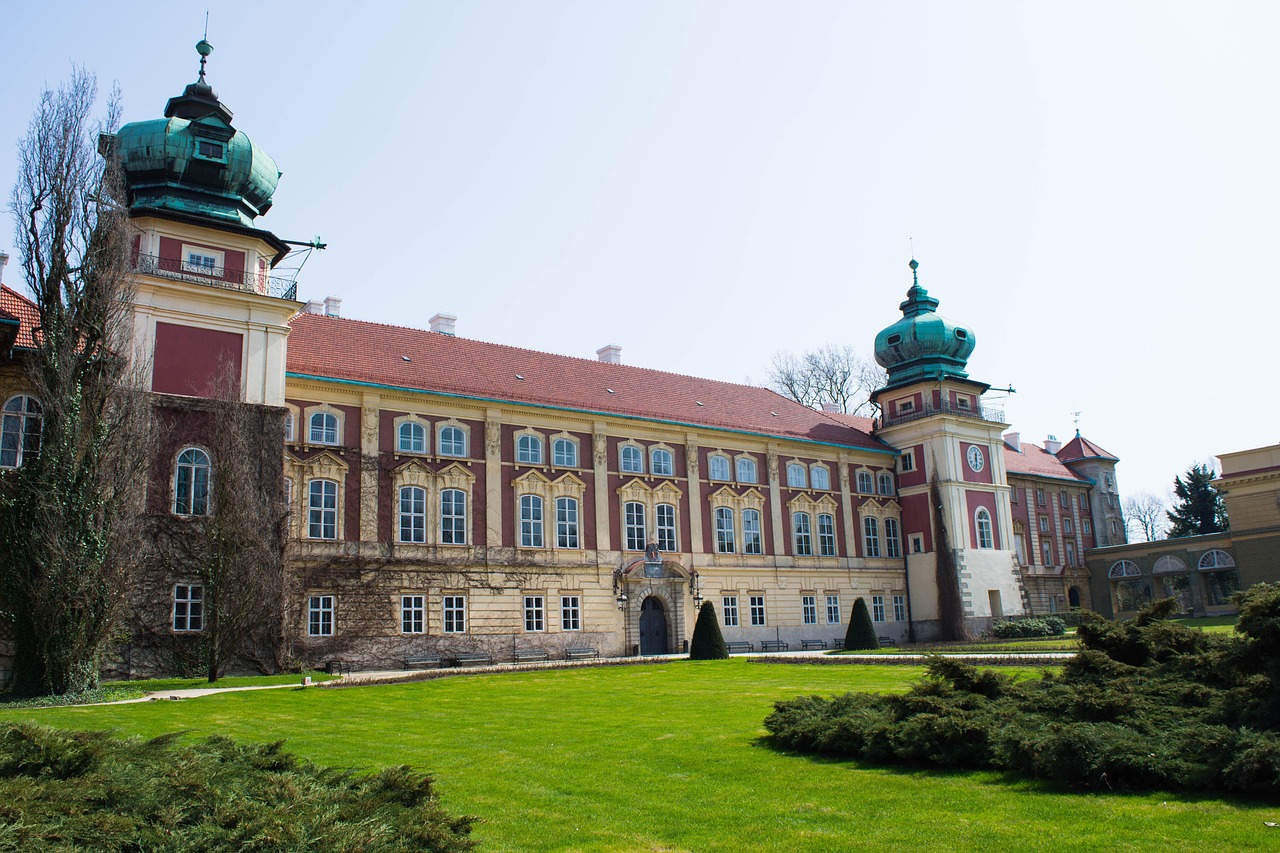
Begin the day at Łańcut Castle, standing beside a rare surviving Baroque synagogue from the 18th century. After lunch, travel to Markowa to visit the Ulma Family Museum, honoring courage and moral choice during World War II. On the return journey, stop in Leżajsk at the grave of Rabbi Elimelech, a place of deep spiritual and historical significance.
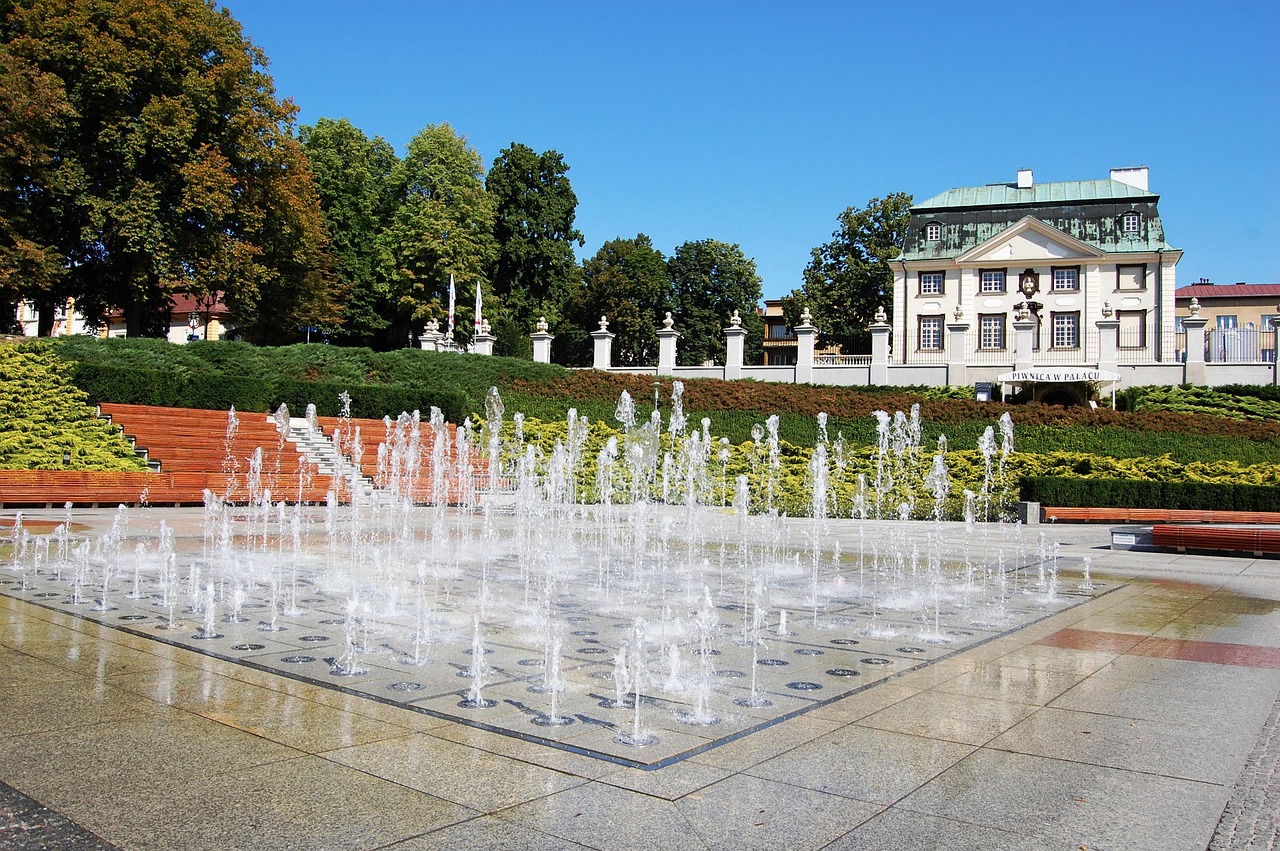
Travel to Rzeszów to visit the former synagogue and descend into underground passages beneath the market square, revealing hidden layers of the city’s past. Continue to Tarnów, where Jewish life dates back to the 15th century. Walk former Jewish streets, see the preserved bimah of the destroyed synagogue, and visit the Jewish cemetery before continuing to Kraków in the evening.
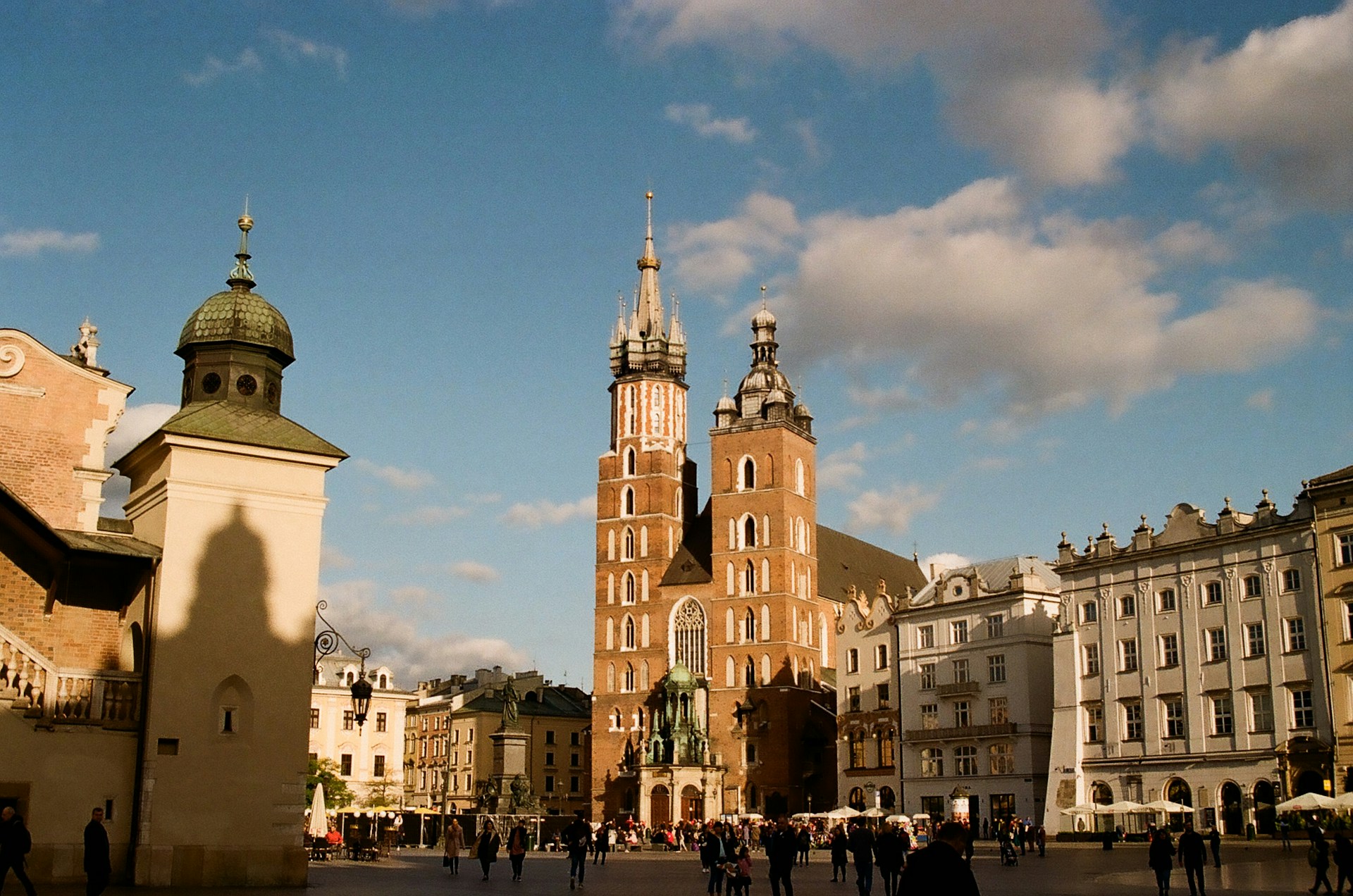
Discover Kraków, where royal history and Jewish heritage exist side by side. Walk across the Main Market Square and explore Wawel Hill, the heart of Polish statehood. Continue to Kazimierz, shaped by over 500 years of Jewish life and memory. The day concludes at Oskar Schindler’s Factory, where individual stories bring history into sharp, human focus.
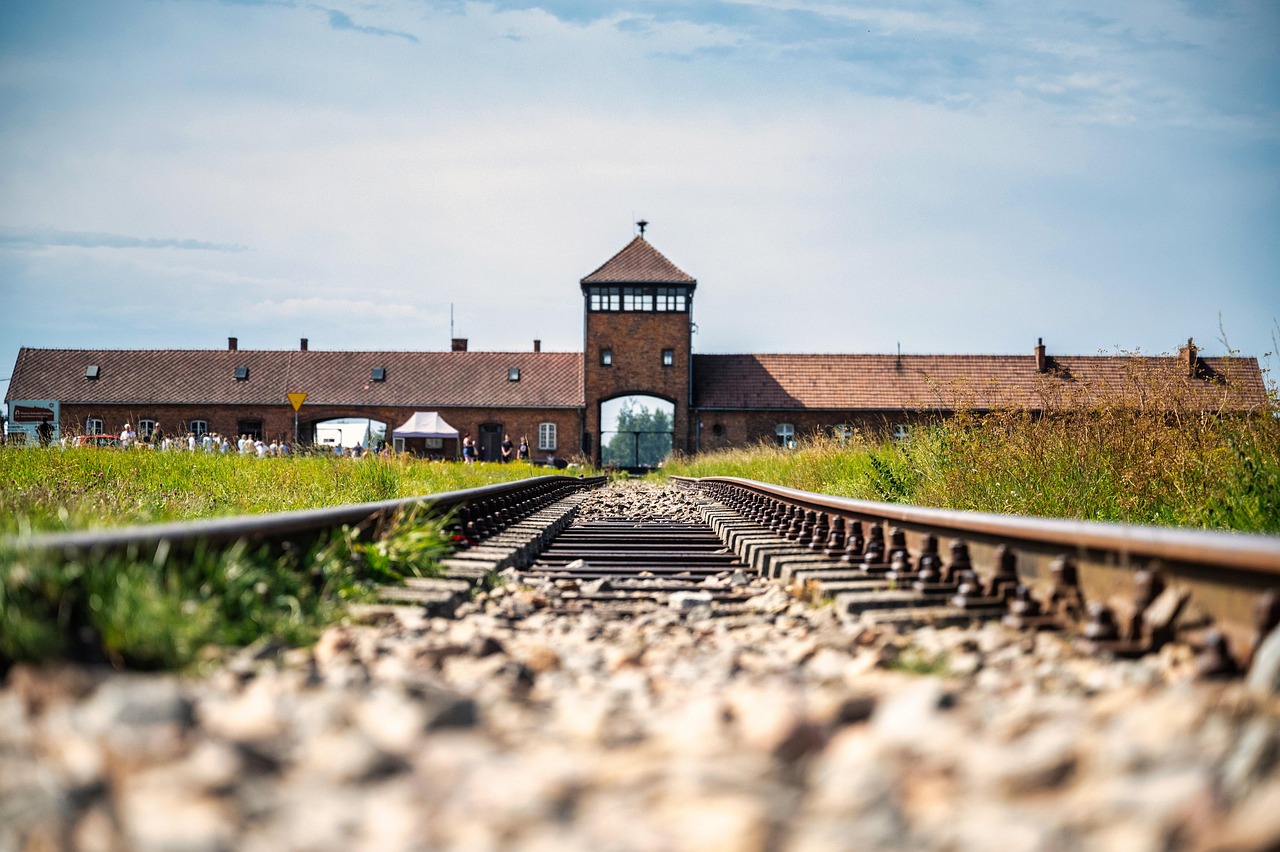
Travel to Auschwitz-Birkenau for a guided visit to this essential memorial site. Time is provided for reflection and remembrance. Before returning to Kraków, stop at the surviving synagogue in Oświęcim to learn about the town’s vibrant Jewish life before the war, a reminder of community and tradition that once thrived here.
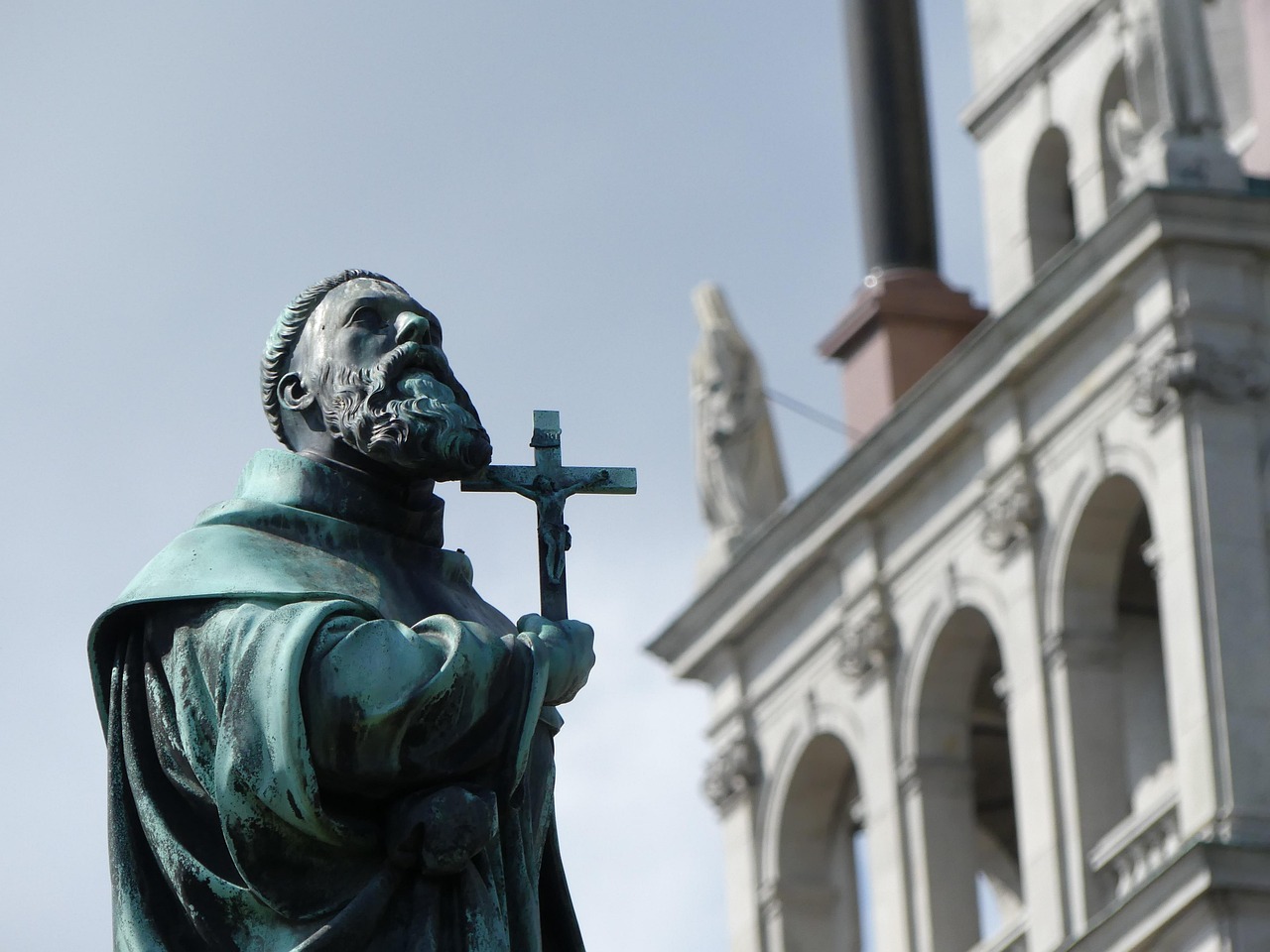
Leave Kraków and travel to Częstochowa, exploring sites connected to the former ghetto, forced labor camp, and historic Jewish cemetery. Continue to Piotrków Trybunalski, once a major center of Hebrew publishing and Jewish intellectual life. In the evening, arrive in Łódź, a city with one of the most complex and significant Jewish histories in Europe.
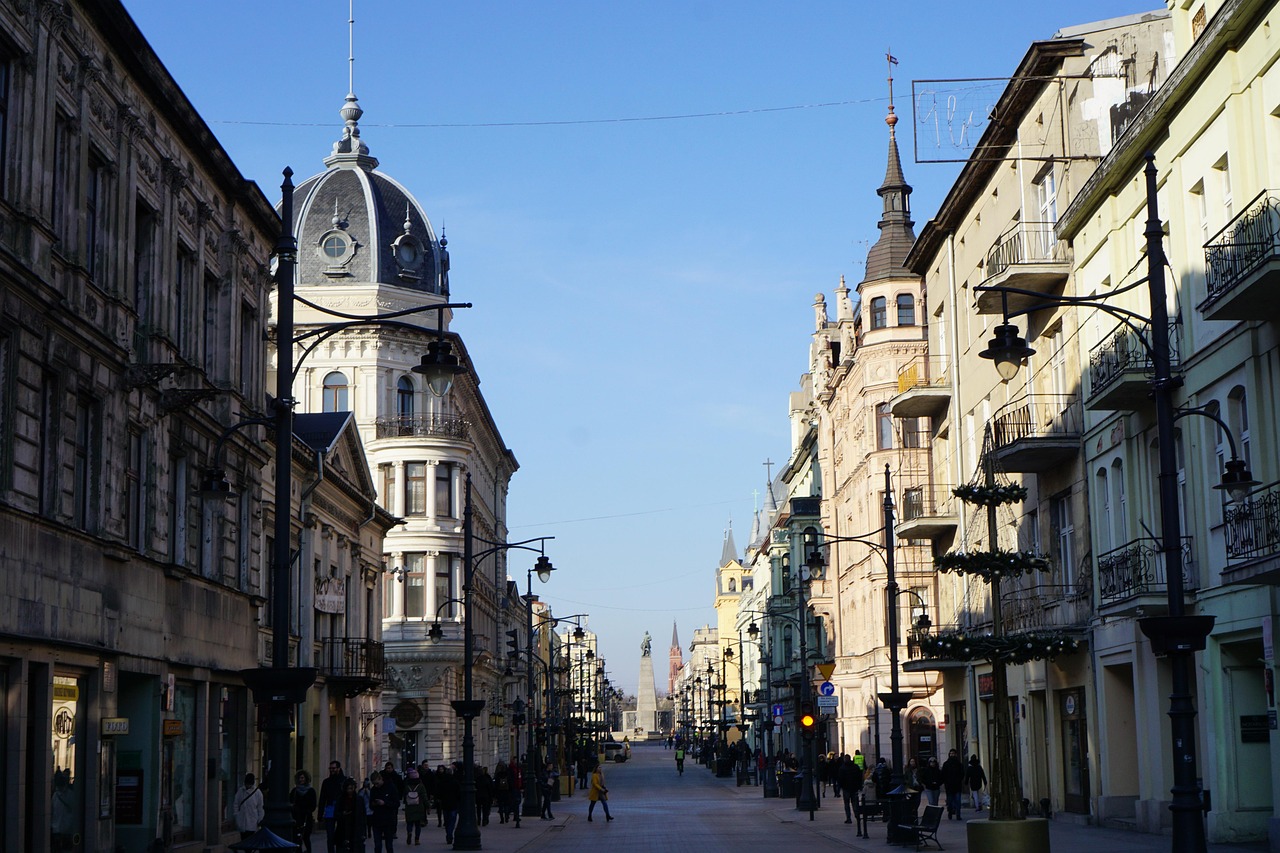
Spend the day in Łódź, once home to one of Europe’s largest Jewish communities. Walk along Piotrkowska Street and visit the Izrael Poznański Palace. The Jewish Cemetery, the largest in Europe, powerfully conveys the scale of a world that once existed here. Learn about the Litzmannstadt Ghetto before returning to Warsaw in quiet reflection.
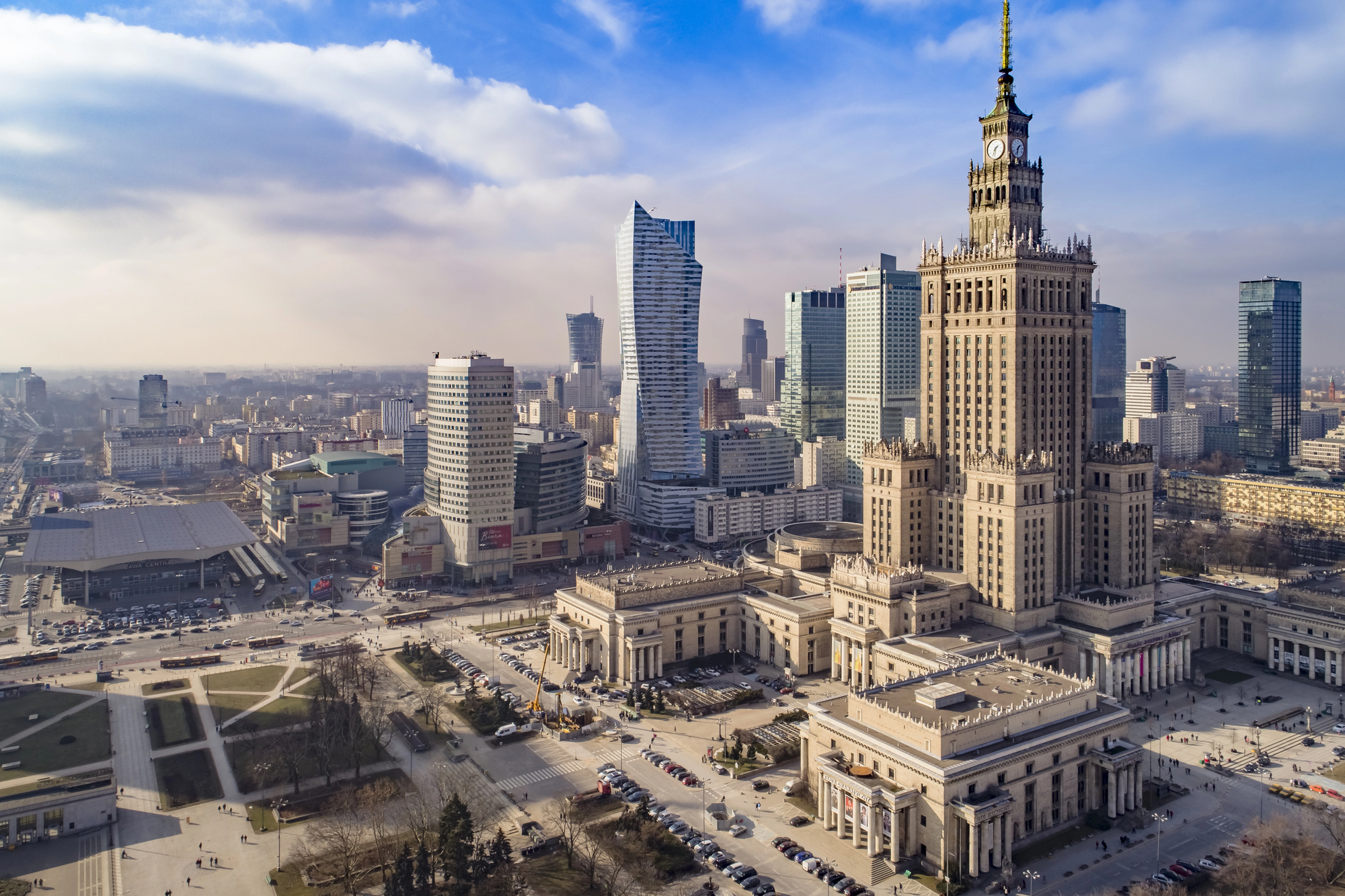
Enjoy a final morning in Poland at your own pace, with time to pack, reflect, or take a last walk. As the journey comes to an end, you leave with stories, places, and a deeper understanding of Jewish heritage in Poland. Airport transfer is included. Extensions or customized routes, including ancestral towns or research days, can be arranged upon request.
Yes — Poland is considered one of the safest countries in Europe for visitors. Cities are clean, well organized, and easy to navigate, with modern infrastructure and a strong sense of public safety. According to the U.S. Department of State Travel Advisory system, Poland is classified as Level 1: Exercise Normal Precautions, the lowest advisory level.
Official source: click here
The most popular time to travel to Poland is from May through September, when the weather is mild and daylight hours are long. Spring and early autumn are especially comfortable for cultural touring and heritage visits. Summer offers lively city squares and festivals, while winter can be ideal for shorter, city-focused cultural experiences.
Yes. We regularly assist clients with planning their travel to Poland, including flight recommendations and coordination of arrival logistics. If preferred, we can also arrange flights directly on your behalf. Direct flights from the United States to Poland are available via LOT Polish Airlines, with convenient connections to major American cities. Our goal is seamless travel from departure to arrival.
Our tours are designed for mature, culturally curious travelers. Most days include moderate walking at a comfortable pace, with regular breaks and private transportation between locations. We avoid rushed schedules and prioritize comfort. If mobility considerations exist, we discuss them in advance and adjust the itinerary accordingly.
We specialize in both private tours and small, carefully curated group journeys. Many of our guests prefer smaller groups for a more personal atmosphere and deeper cultural engagement. Private tours allow full customization, while small groups provide shared experiences without the scale of large coach tours.