We are open from 9:00 a.m.


This richly paced journey explores Poland’s heartland and southern regions through history, culture, and everyday traditions. From UNESCO-listed cities and Renaissance towns to mountain landscapes and regional cuisine, the itinerary blends iconic landmarks with hands-on experiences. Small-group travel, excellent hotels, and expert local guides create a welcoming atmosphere that goes far beyond sightseeing, offering meaningful connections to Poland’s people and places.
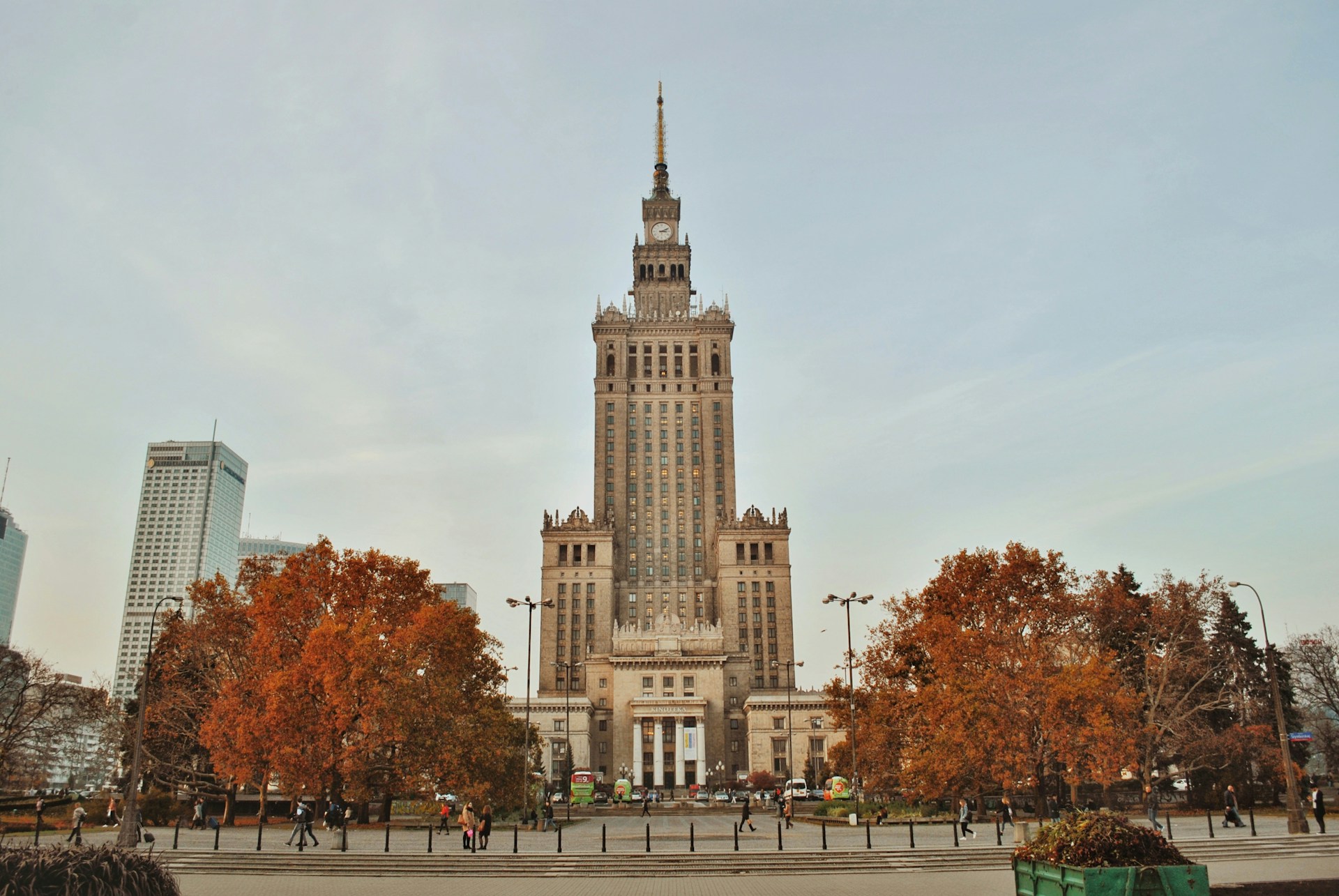
Arrive in Poland and meet your local guide before transferring to your centrally located hotel. After time to rest, enjoy a relaxed guided walk through central Warsaw, an ideal introduction to the city’s energy and resilience. In the evening, gather for a welcome dinner at a traditional restaurant, sampling classic Polish dishes and beginning the journey with warm hospitality.
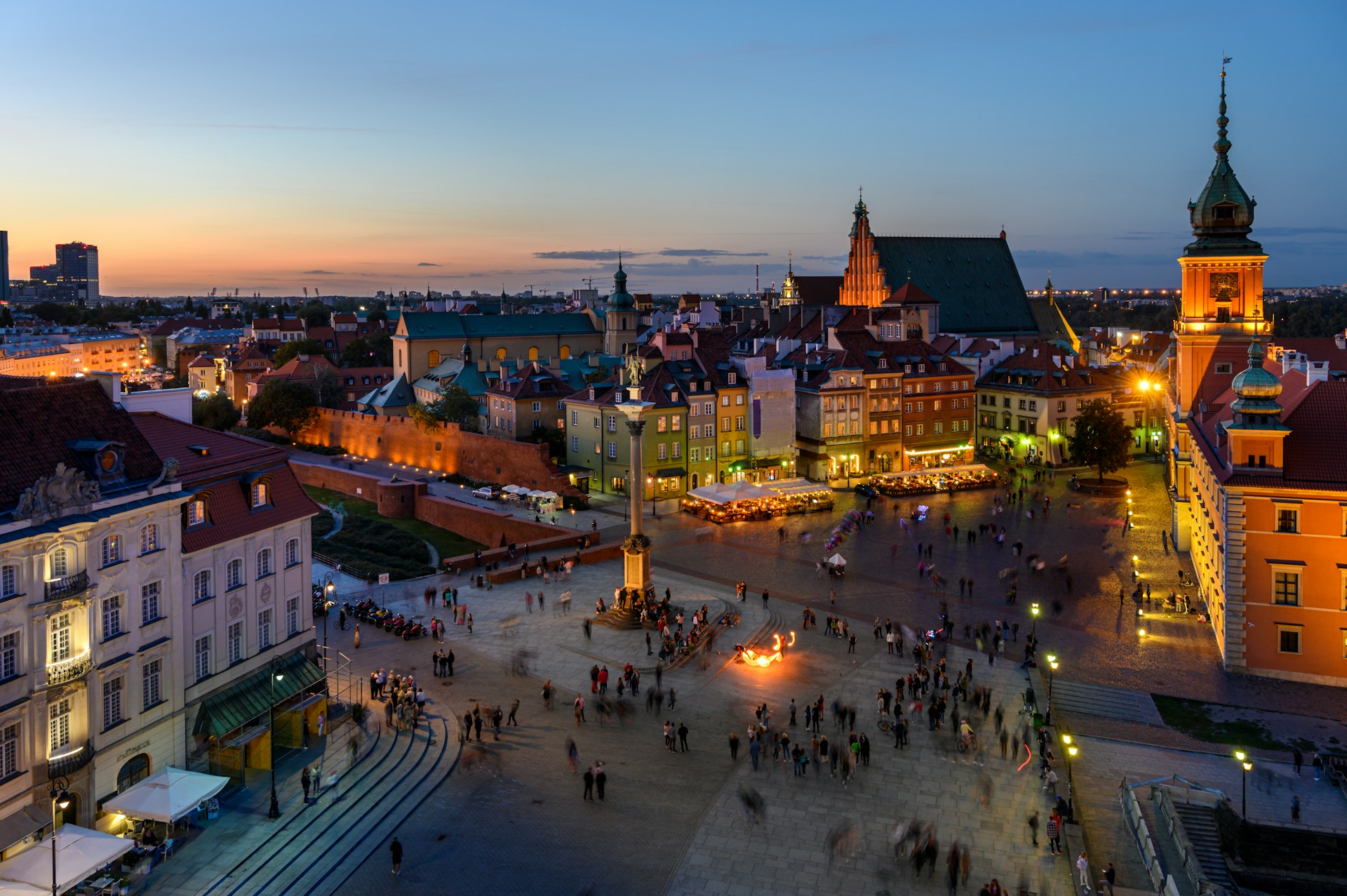
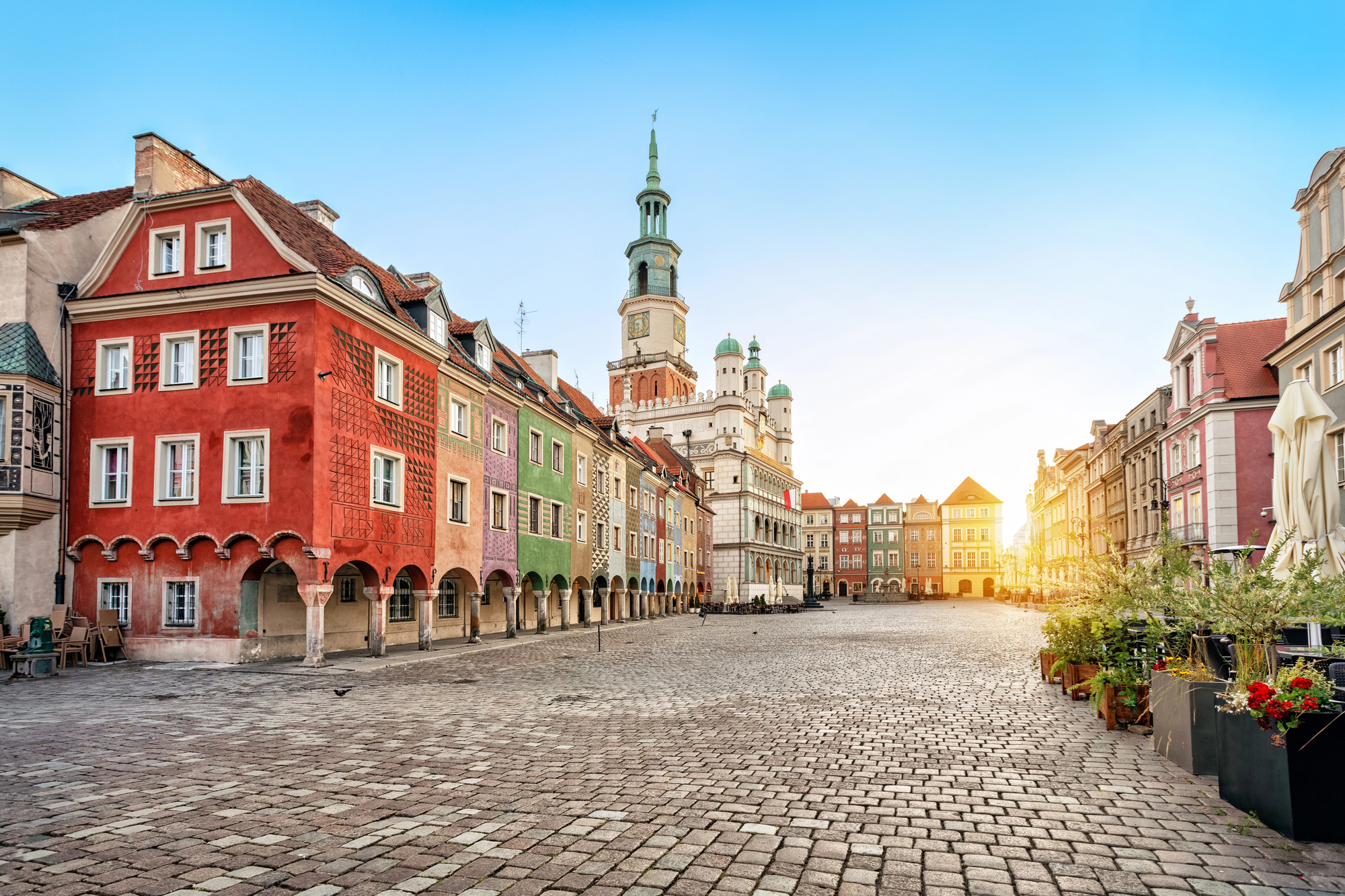
Explore Poland’s capital in depth. Walk through the beautifully rebuilt UNESCO-listed Old Town and visit the Royal Castle, once home to Polish kings. After lunch, the Warsaw Uprising Museum brings history to life through powerful exhibits and personal stories. The late afternoon is free to relax, shop, or explore independently.
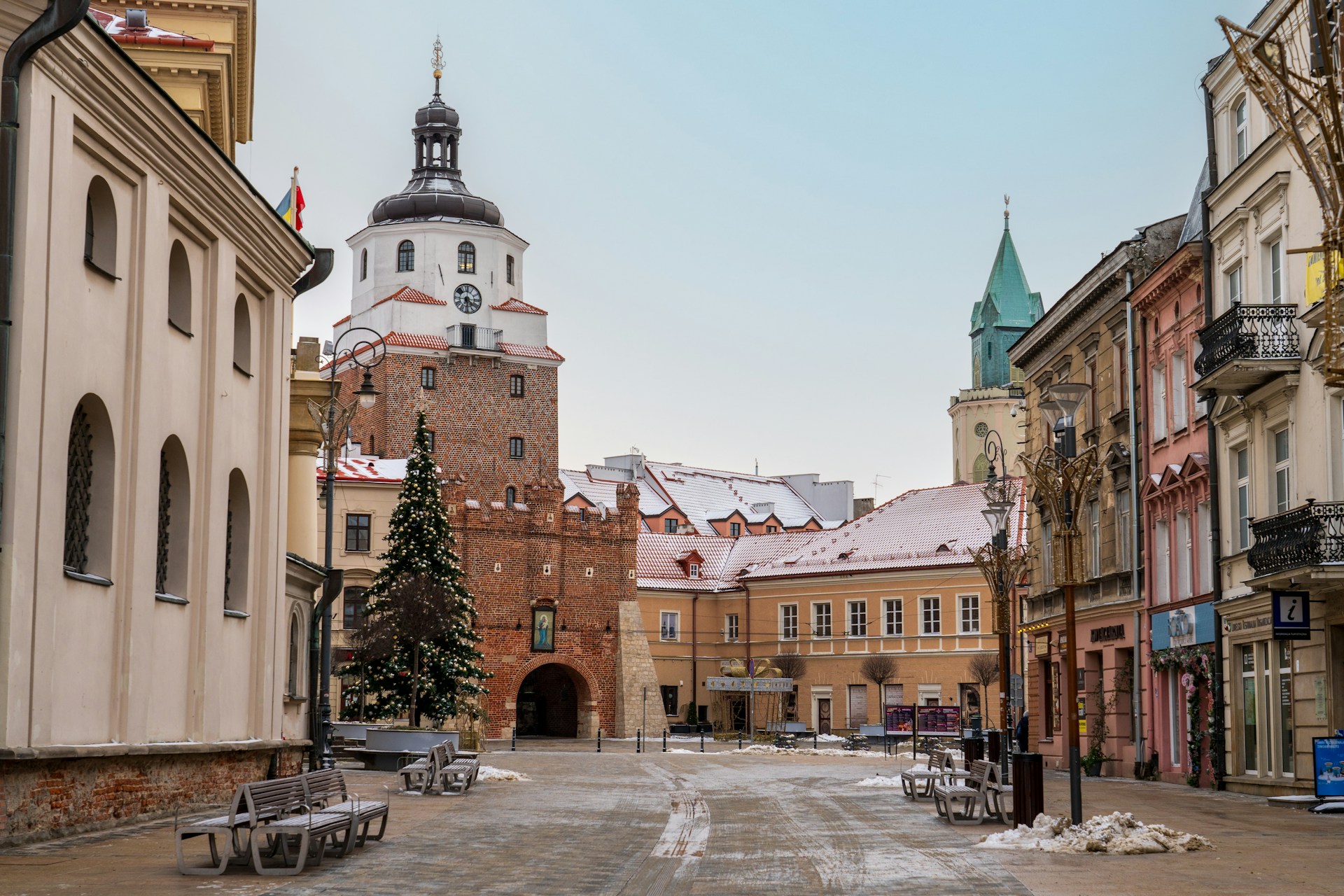
Travel east to Lublin, one of Poland’s most atmospheric historic cities. Explore the charming Old Town, visit Lublin Castle, and step inside the remarkable Holy Trinity Chapel with its unique frescoes. The city’s multicultural past is felt at every turn. In the evening, enjoy hands-on culinary workshops inspired by Polish traditions.
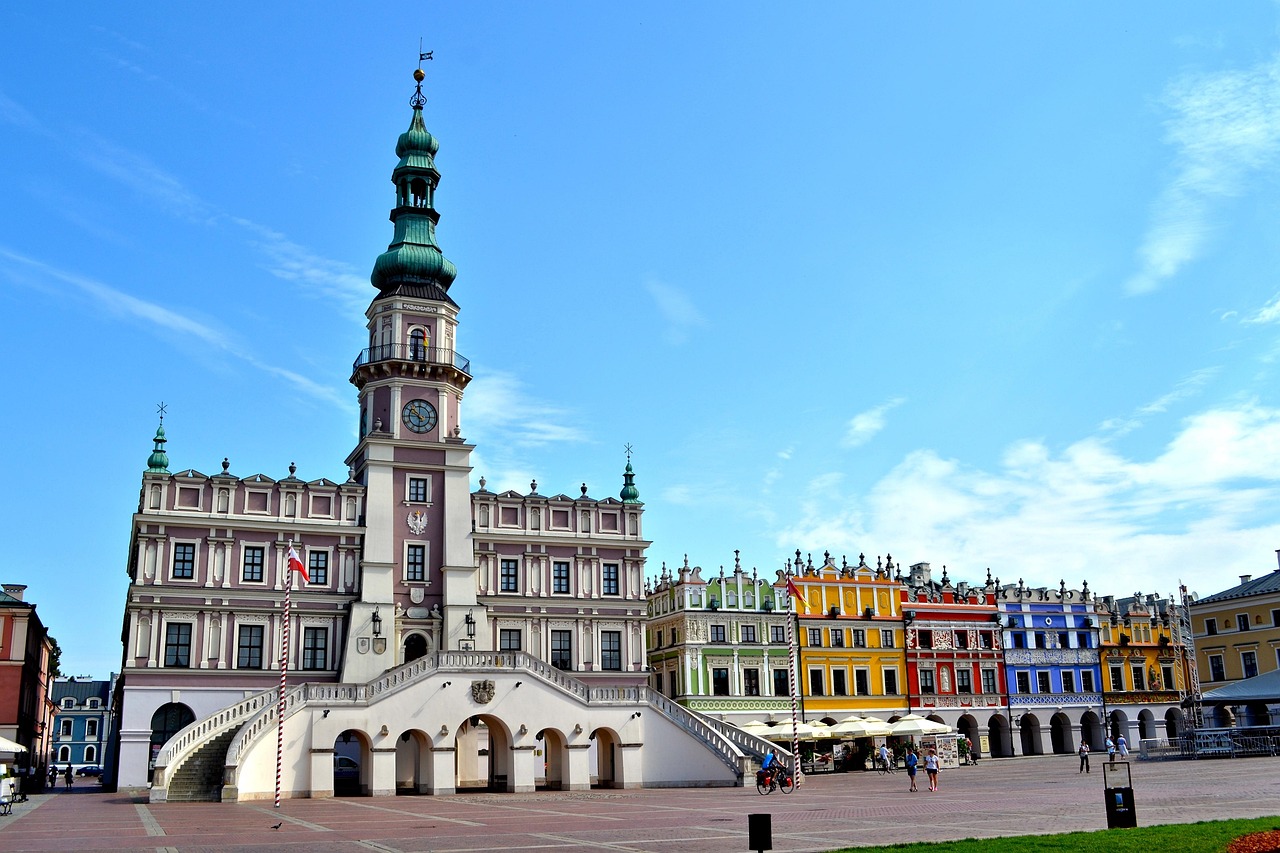
Visit Zamość, a Renaissance masterpiece known as the “ideal city” and listed as a UNESCO World Heritage Site. Stroll through its arcaded market square and historic fortifications before lunch. Continue to Rzeszów, a lively regional capital, arriving in the afternoon with free time to relax or explore at your own pace.
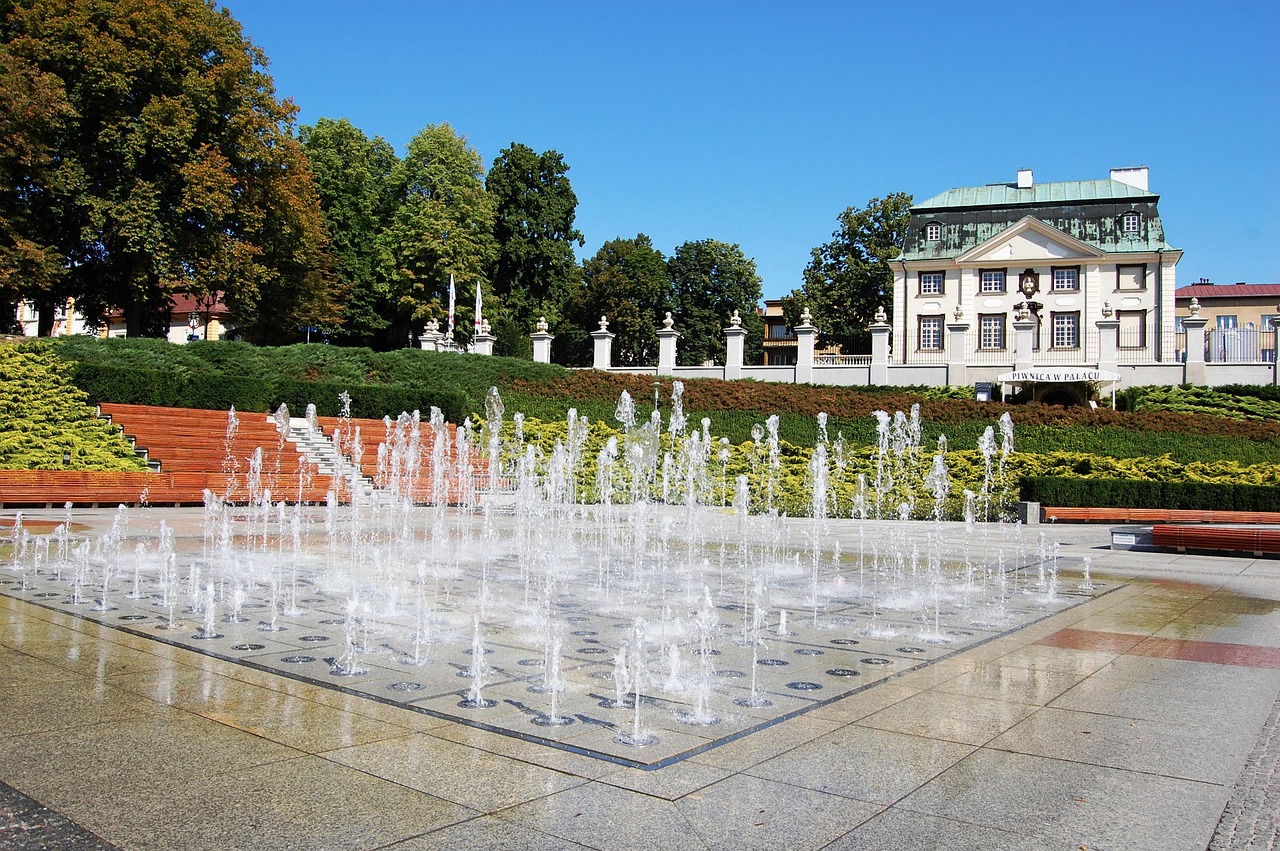
Begin the day with sightseeing in Rzeszów before traveling to Nowy Sącz. After lunch, visit one of Poland’s finest open-air ethnographic museums, where traditional wooden houses vividly portray rural life of the past. Later, continue to Kraków and enjoy a relaxed evening near the Main Market Square.
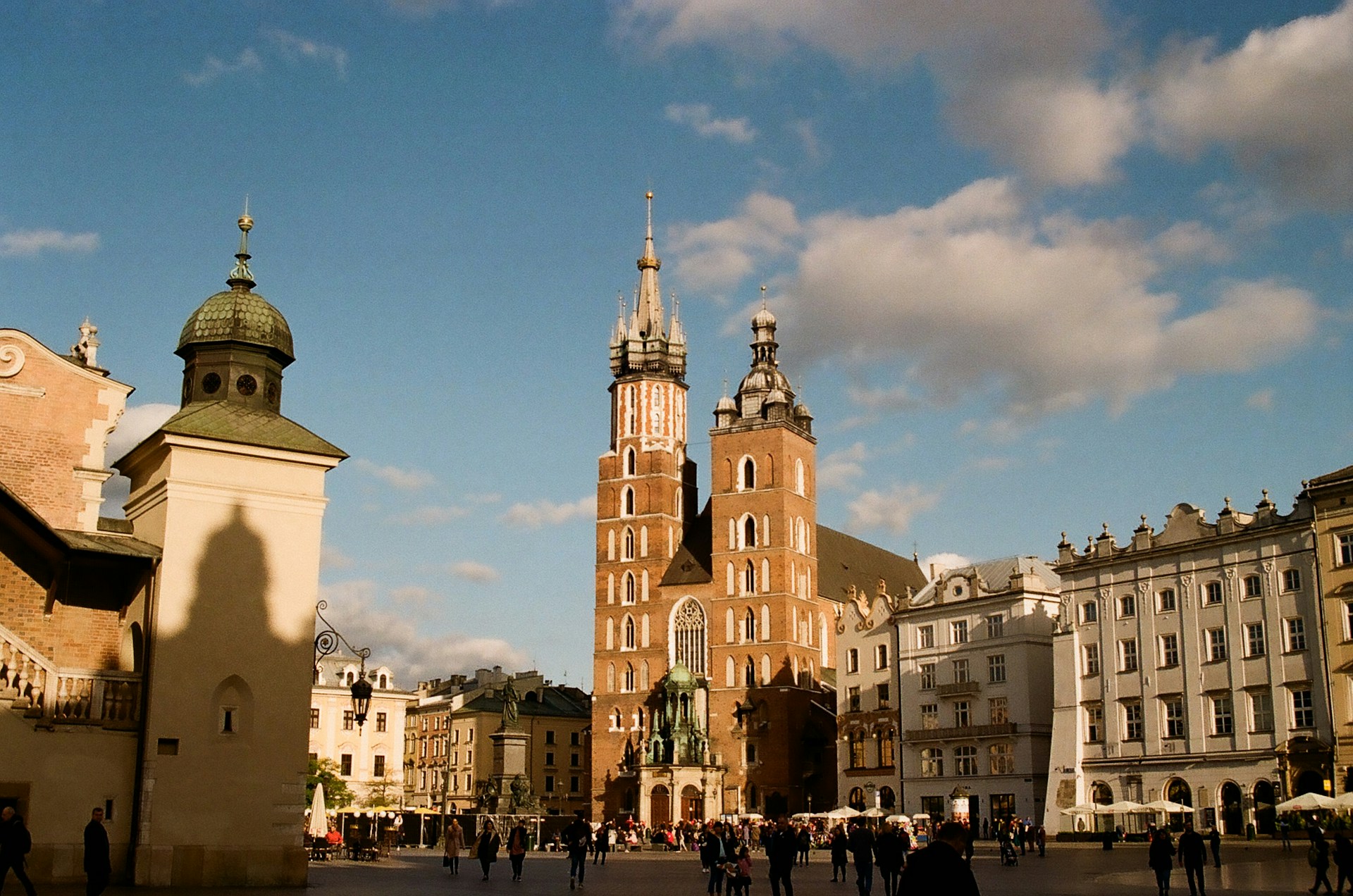
Discover Kraków, Poland’s former royal capital. Enjoy a guided tour of the Old Town, Main Market Square, and Wawel Hill with its castle and cathedral overlooking the Vistula River. The afternoon is free for personal exploration. In the evening, attend a lively folk concert with dinner, music, and colorful traditions.
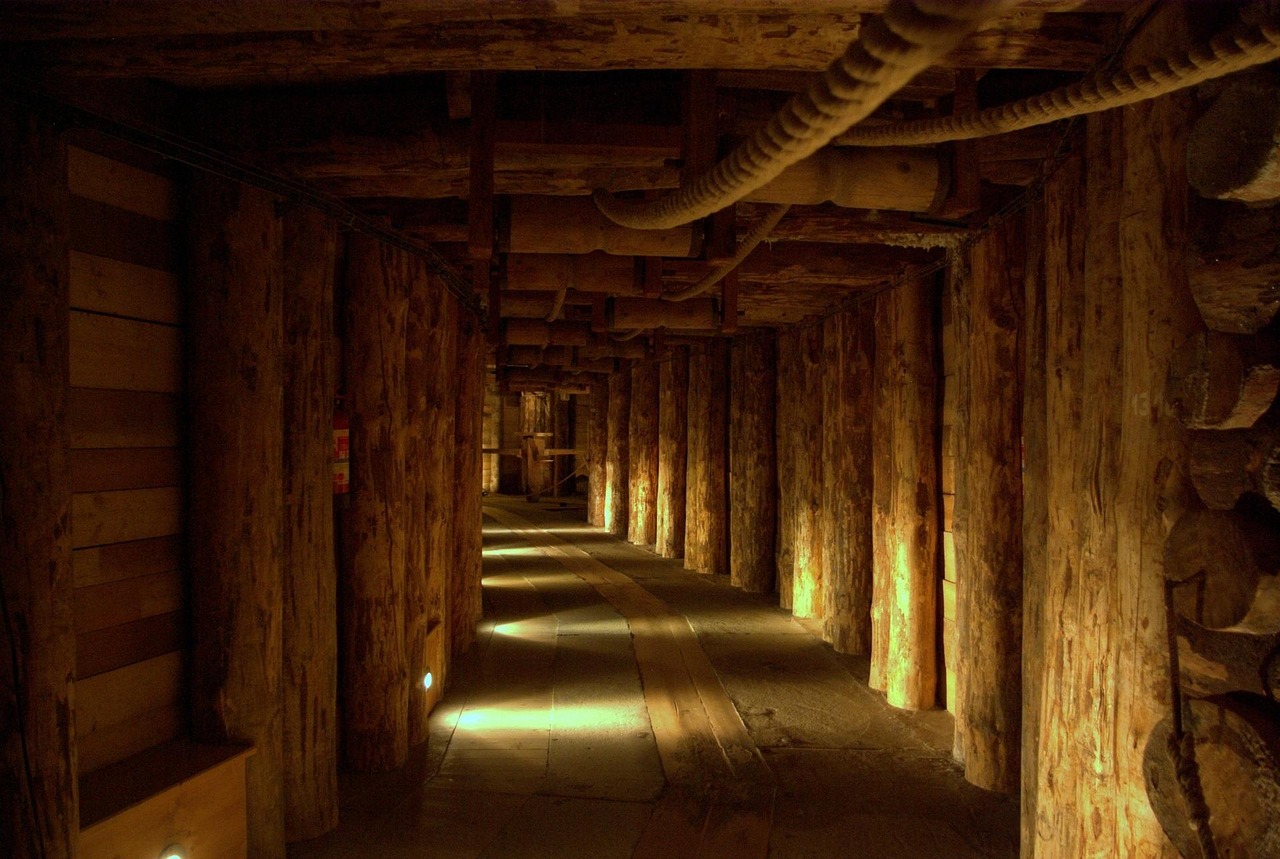
Enjoy a relaxed morning in Kraków before visiting the UNESCO-listed Wieliczka Salt Mine. Descend underground to explore vast chambers, chapels carved from salt, and remarkable sculptures created by miners over centuries. Return to Kraków in the evening with time to rest or enjoy a quiet dinner.
Travel to Wadowice, birthplace of Saint John Paul II, to learn about his early life and legacy. Later, those who wish may take part in an optional guided visit to the Auschwitz-Birkenau Memorial (additional cost). In the afternoon, continue to the scenic town of Żywiec, set among the Beskid Mountains.

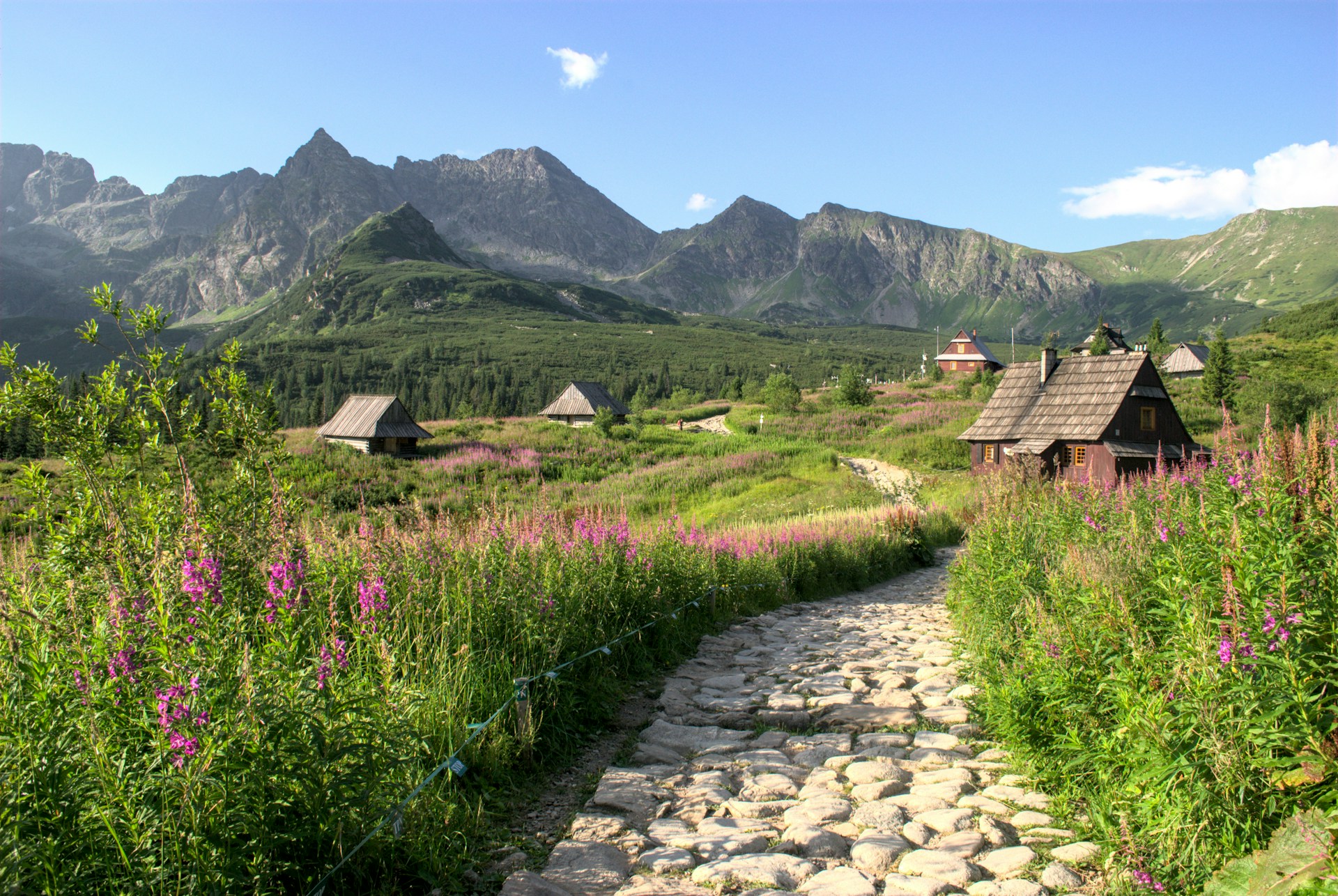
Enjoy the relaxed pace of the Żywiec region, known for mountain scenery and local traditions. Visit the Żywiec Brewery Museum to learn the story behind one of Poland’s best-known beers. Free time follows by the lake or in town. In the evening, gather for a traditional campfire with local food and great company.
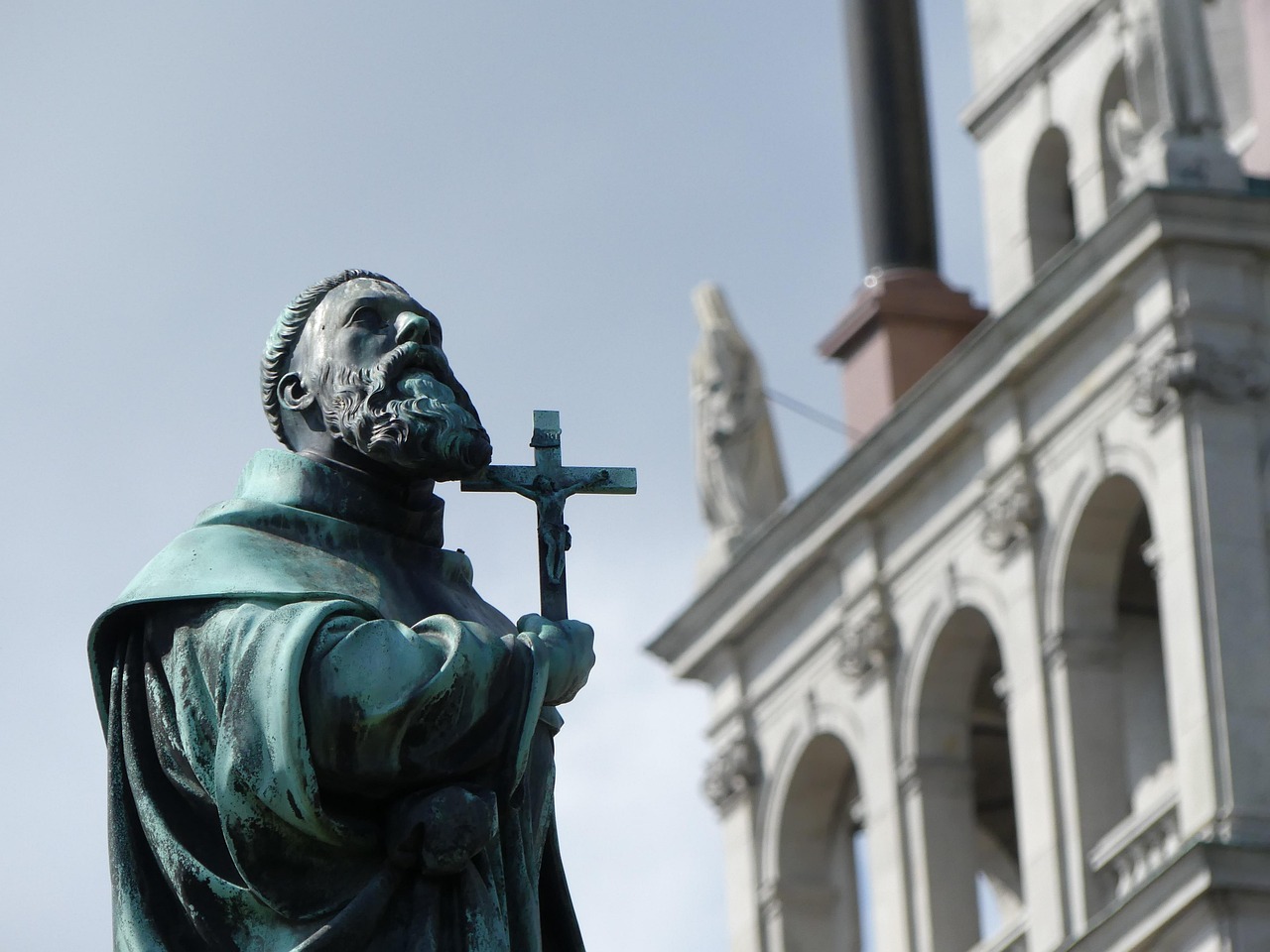
Travel to Częstochowa, Poland’s spiritual heart, and visit the Jasna Góra Monastery, home to the revered Black Madonna. Continue west toward Wrocław, stopping at a unique bread museum. Take part in a hands-on bread-making workshop before arriving in Wrocław, with free time in the colorful Old Town.
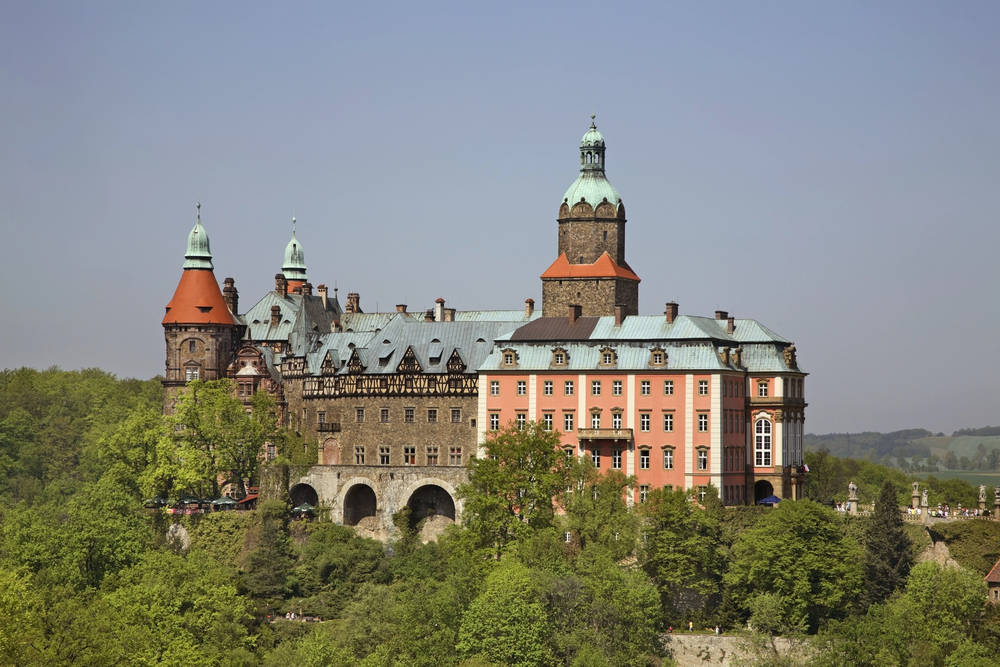
Visit the spectacular Książ Castle, dramatically set above a forested gorge. Continue to Wałbrzych and enjoy a scenic local train ride through the Sudetes Mountains to Nowa Ruda. After coffee and cake in the town square, return to Wrocław, with optional WWII underground sites if time allows.
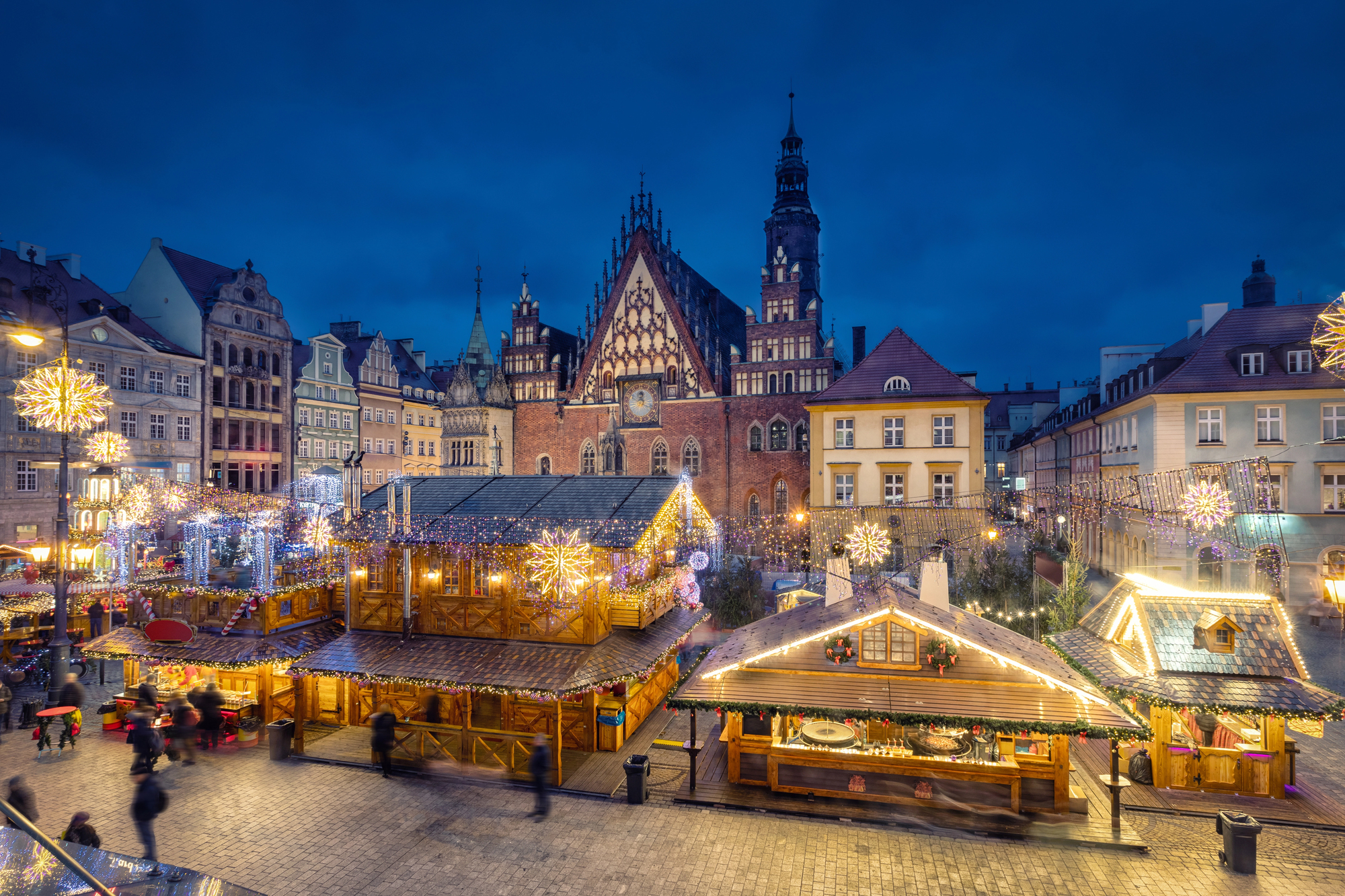
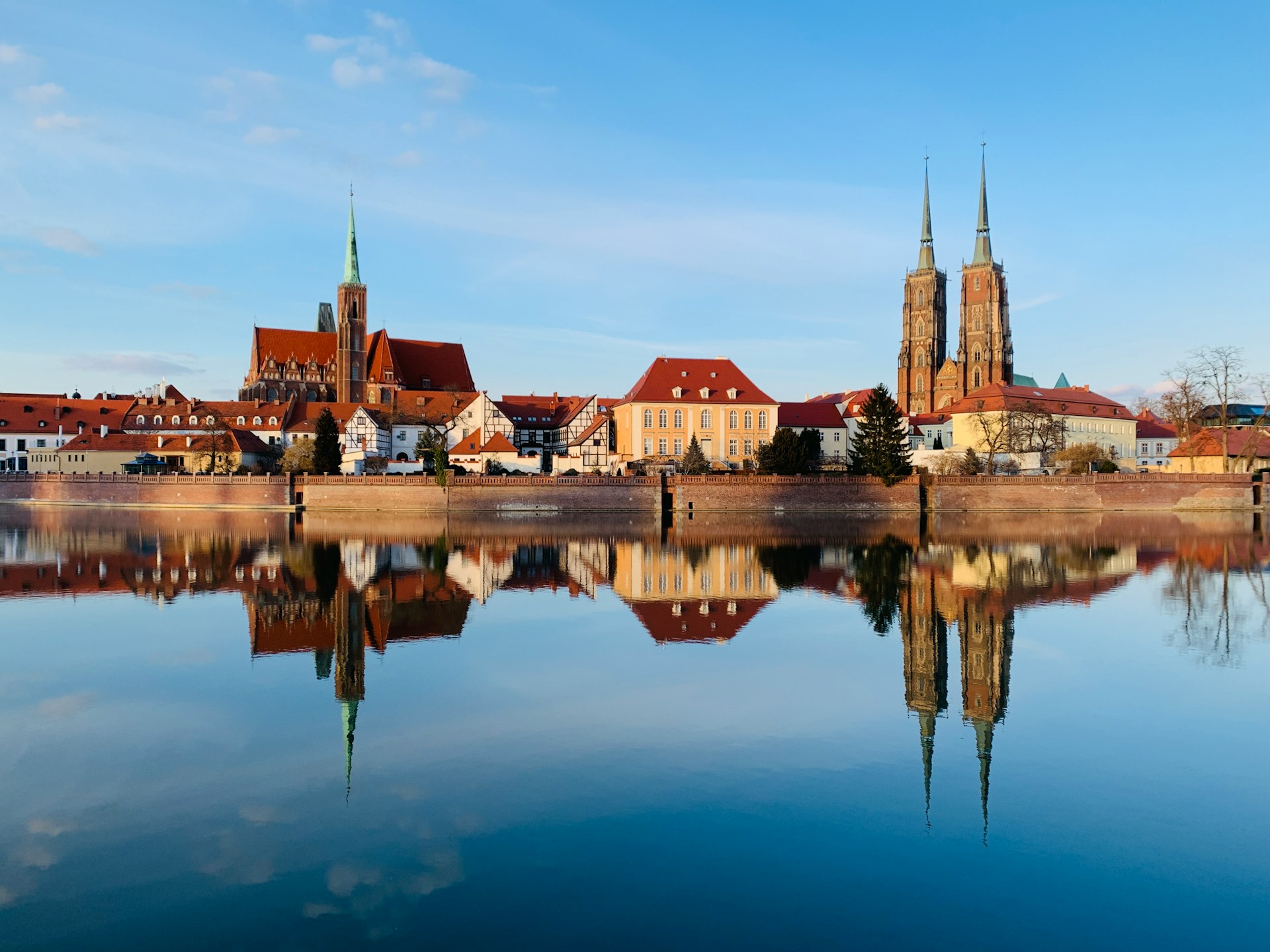
Explore Wrocław’s highlights, including the Market Square, historic Old Town, Cathedral Island, and the UNESCO-listed Centennial Hall. After lunch, travel back to Warsaw. In the evening, enjoy a festive farewell dinner celebrating the journey, with an optional Chopin concert subject to availability.
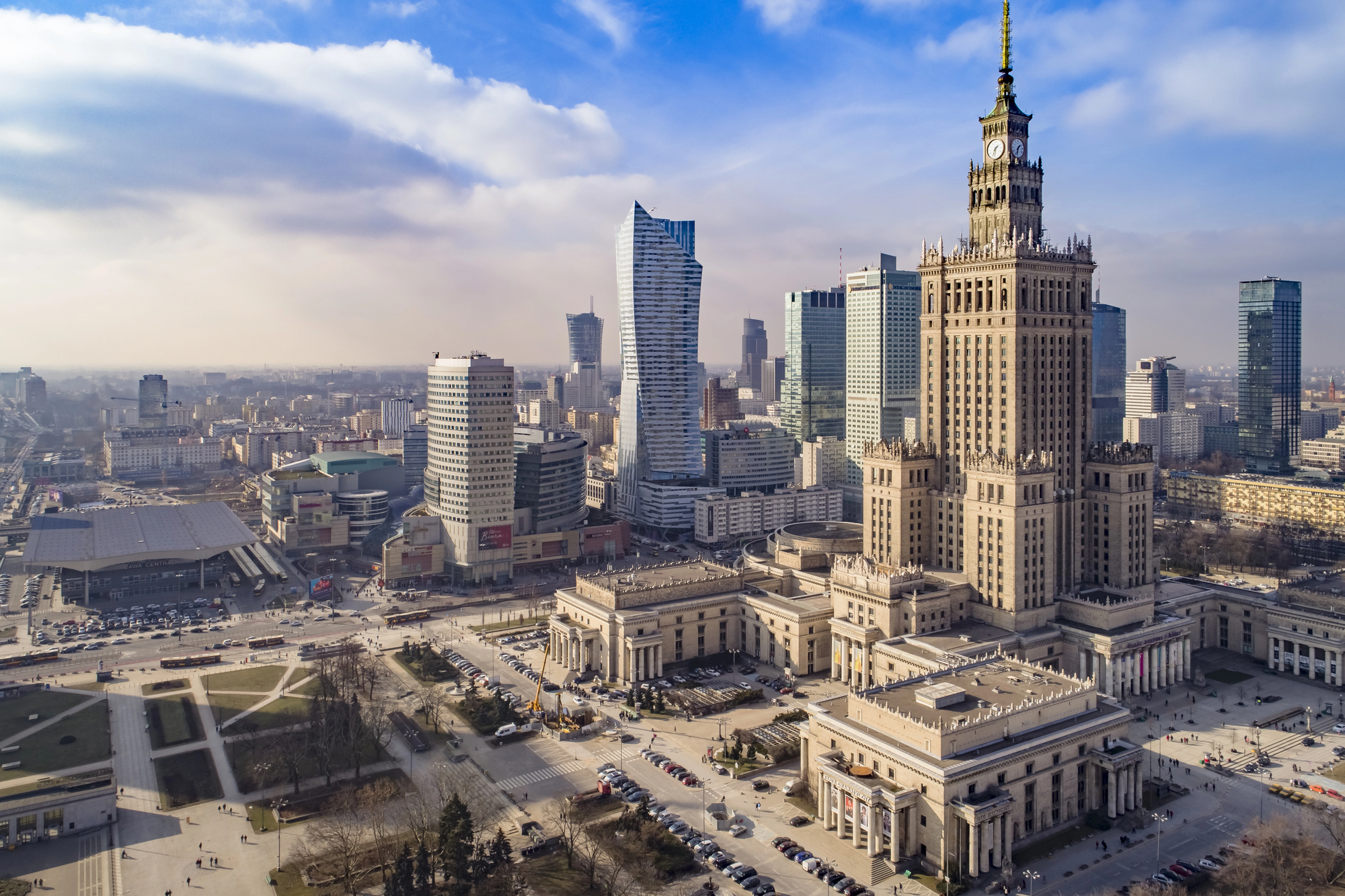
After breakfast, enjoy free time for last-minute shopping or quiet reflection before transfer to the airport. For those wishing to explore further or visit ancestral regions, additional days and custom arrangements can be organized upon request.
Yes — Poland is considered one of the safest countries in Europe for visitors. Cities are clean, well organized, and easy to navigate, with modern infrastructure and a strong sense of public safety. According to the U.S. Department of State Travel Advisory system, Poland is classified as Level 1: Exercise Normal Precautions, the lowest advisory level.
Official source: click here
The most popular time to travel to Poland is from May through September, when the weather is mild and daylight hours are long. Spring and early autumn are especially comfortable for cultural touring and heritage visits. Summer offers lively city squares and festivals, while winter can be ideal for shorter, city-focused cultural experiences.
Yes. We regularly assist clients with planning their travel to Poland, including flight recommendations and coordination of arrival logistics. If preferred, we can also arrange flights directly on your behalf. Direct flights from the United States to Poland are available via LOT Polish Airlines, with convenient connections to major American cities. Our goal is seamless travel from departure to arrival.
Our tours are designed for mature, culturally curious travelers. Most days include moderate walking at a comfortable pace, with regular breaks and private transportation between locations. We avoid rushed schedules and prioritize comfort. If mobility considerations exist, we discuss them in advance and adjust the itinerary accordingly.
We specialize in both private tours and small, carefully curated group journeys. Many of our guests prefer smaller groups for a more personal atmosphere and deeper cultural engagement. Private tours allow full customization, while small groups provide shared experiences without the scale of large coach tours.